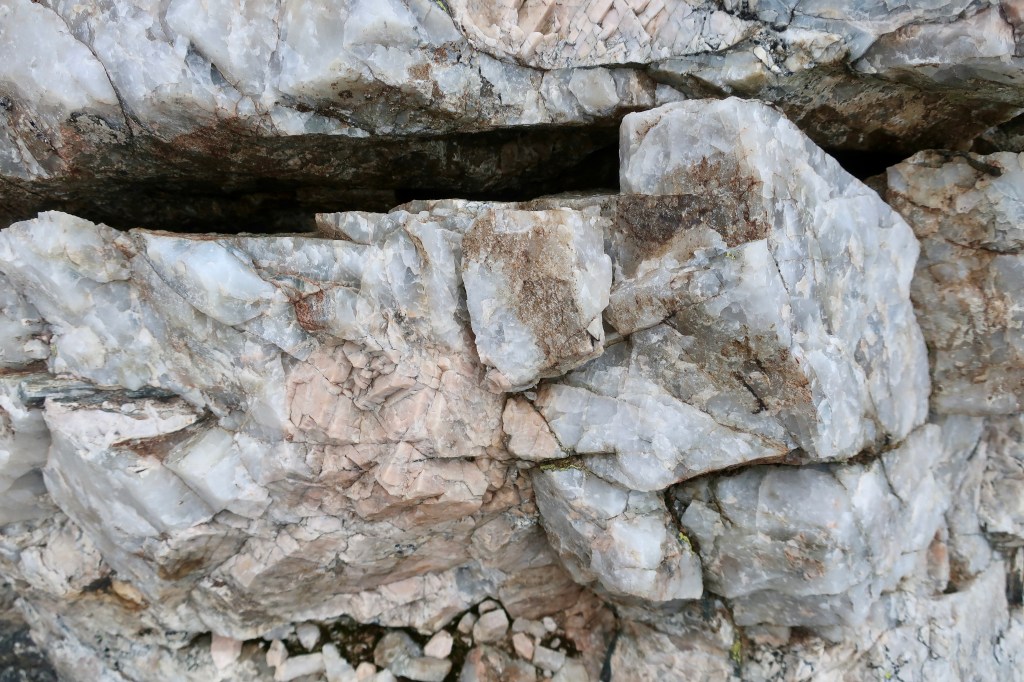
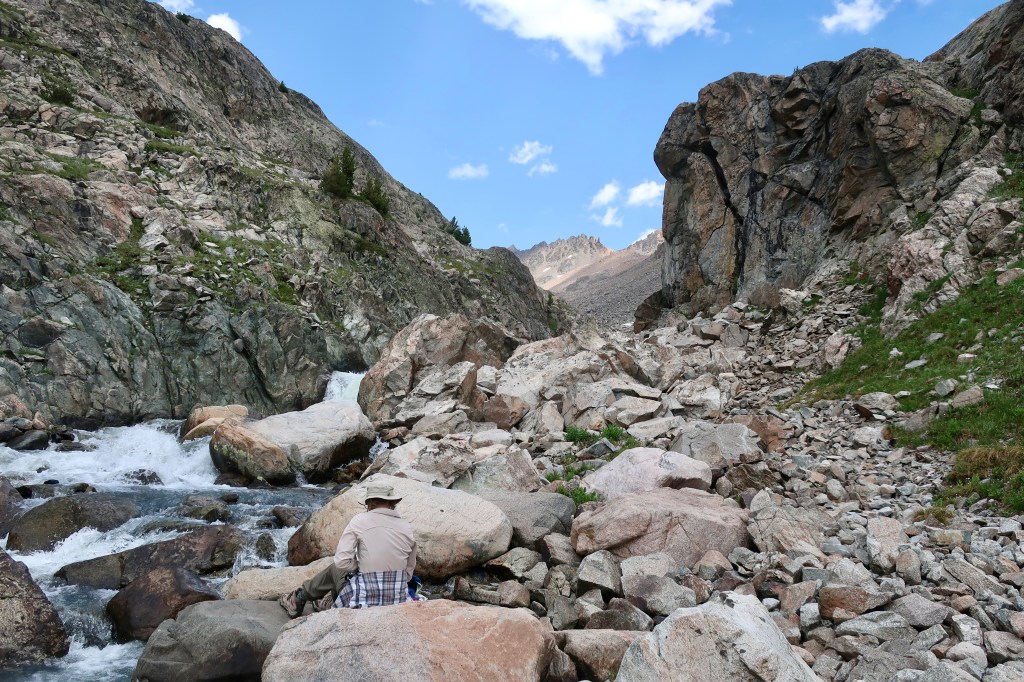
This year’s trip to the Beartooth Wilderness of Montana was beautiful as always, filled with great weather (minus the smoke from the wildfires), fantastic botanizing, gorgeous scenery, and no bear encounters.
Because I have several years’ worth of samples still waiting to be identified at home, I was very picky about what I collected this year, bringing home only a few samples.
Dean (my husband) is very good at scouting out plants and cool things while I’ve got my nose buried to the ground or in my journal drawing, and this year I couldn’t keep up with his exclamations of “Lena! I found something cool! Come take a look!”
Something cool he did find. Growing underneath a piece of crystal was moss. How he saw it I have no idea, as you had to bend down and look from the side to see the moss barely peeking out from underneath the crystal chunk.
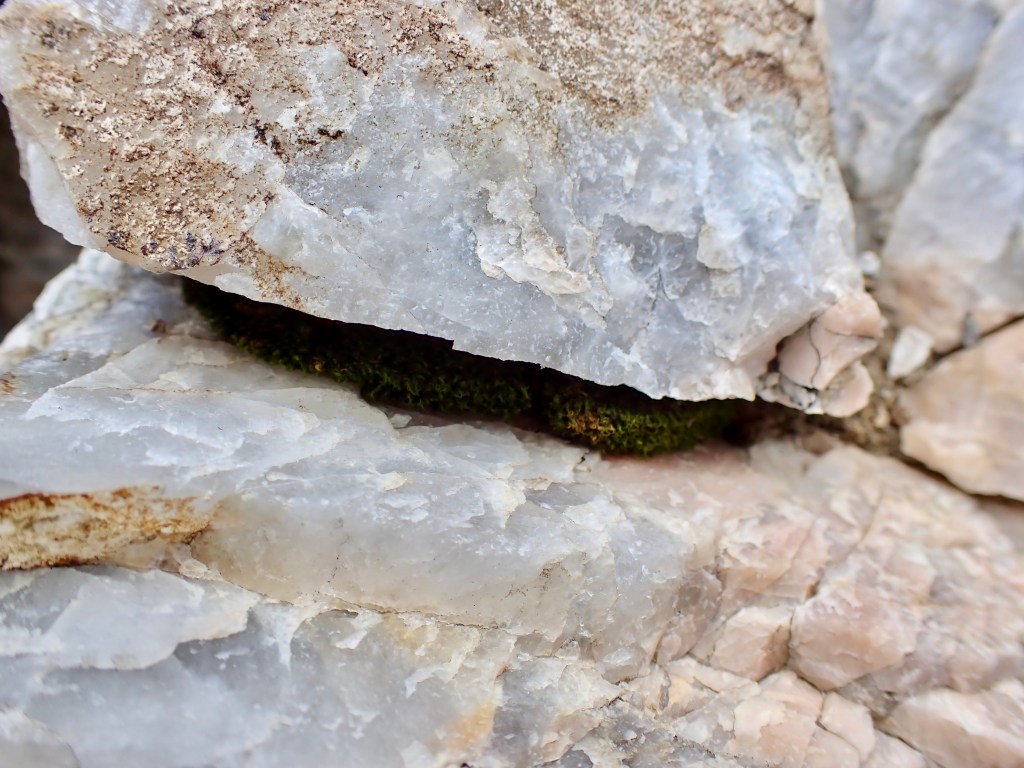
Dean had removed the loose piece of crystal and was surprised to see how robust the moss was growing underneath.
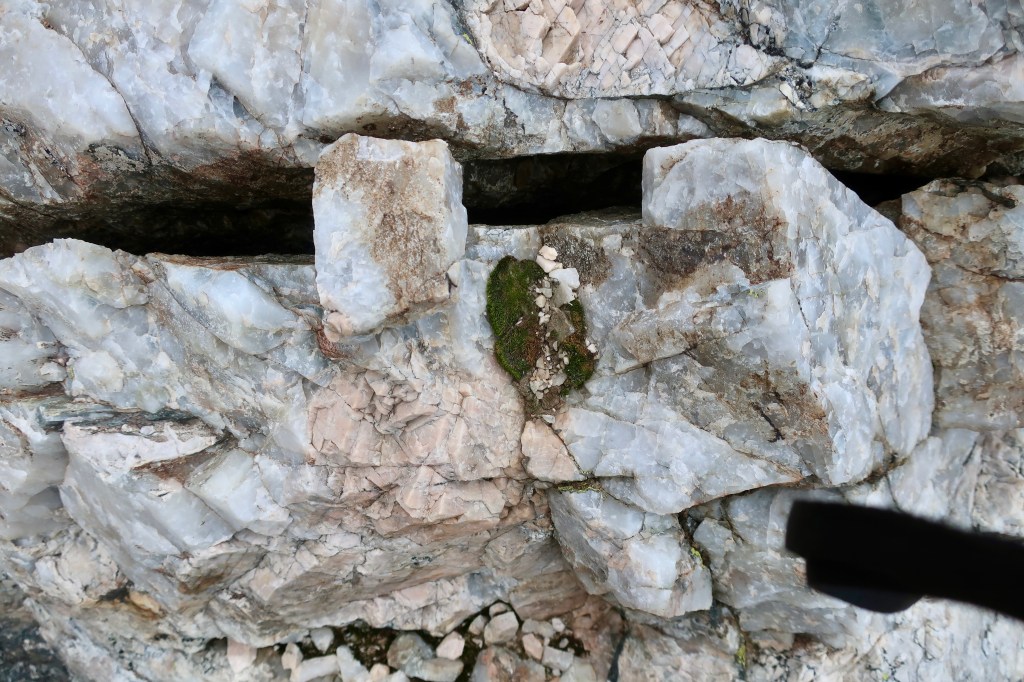
My thoughts immediately went to Aschisma kansanum, a tiny moss known only in Kansas whose protonema grows underneath small, pebble sized quartz. This was too big to be that, and, after looking around, this species did grow happily on top of crystal rocks as well.
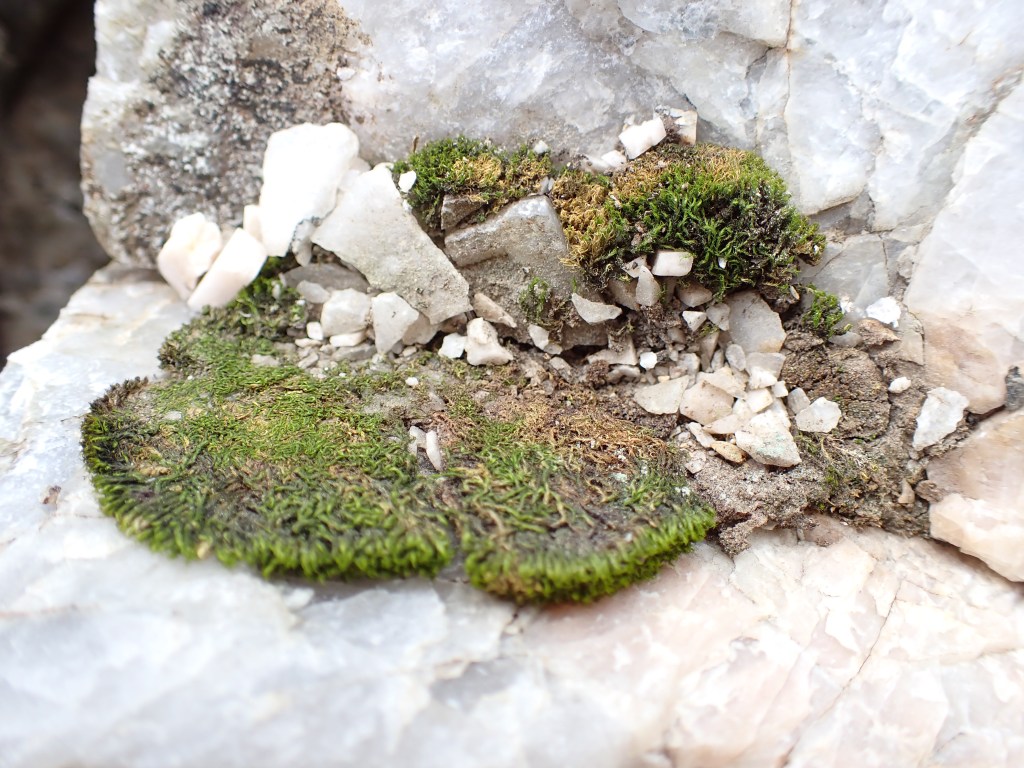
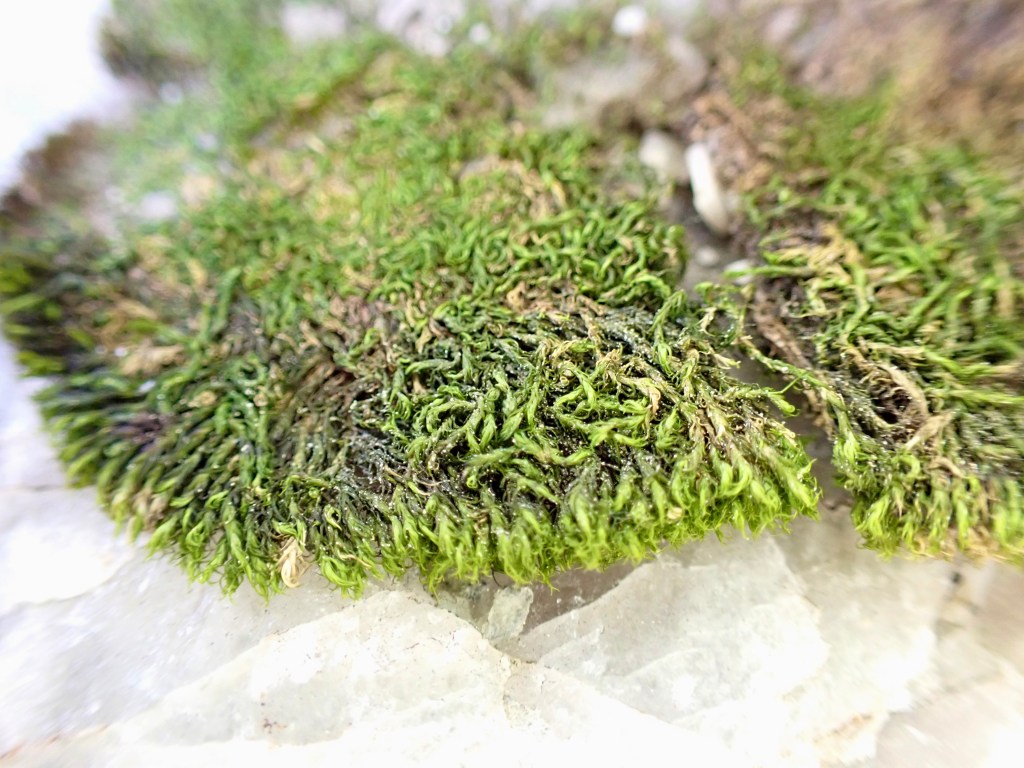
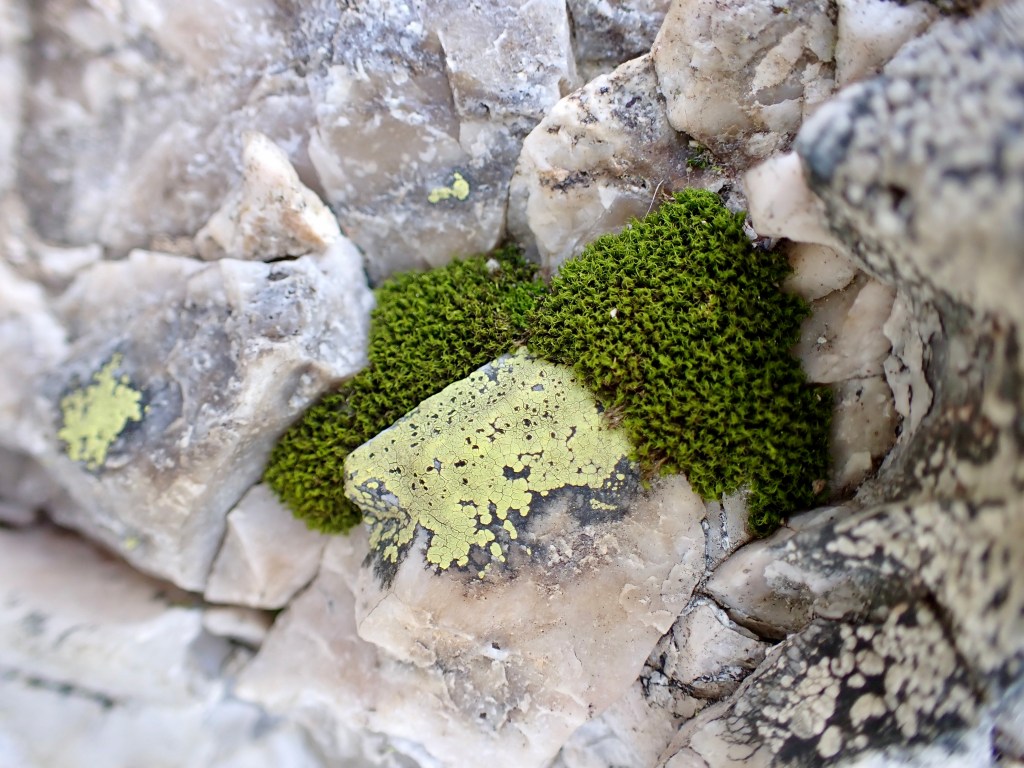
I finally have had the chance to identify this moss at home. I will spare you the details of all the wrong turns I took in the keys, but I did spend quite a bit of time in the Pottiaceae and Grimmiaceae families to no avail.
Two sets on the keys kept coming back to my mind: 1) Is the sample papillose from cell wall projections, or over the lumen of the cell? My cross sections showed papillae but not like I usually see. Under closer inspection, I realized the papillae were arising from the cell walls. 2) Leaf cells with cuticular ridges resembling papillae in cross section? Why yes, I think so now.
Like many things, it’s hard to know what you need to know, when you don’t know what you’re looking at or for. Never having seen these before, I didn’t know if that is what I was truly seeing or not. Following yes to both sets in the keys, led me to Dicranoweisia. Crum’s books had good diagrams showing some of these details, but he eluded to Flower’s 1956 paper, Dicranoweisia crispula and D. cirrhata, found in Vol 59, #4, of The Bryologist, for excellent information about our north american species.
While I was fairly confident that I had finally arrived at the correct genus, the species determination was challenging. However, Flower’s paper helped clear it up. My species is Dicranoweisia crispula. Two major factors that were concerning me were 1) not finding any inflated alar cells, and 2) not finding and bi-stratose layers anywhere. According to Flower’s, our North American populations rarely have inflated alar cells, and the bi-stratose layer can range from none, to fully in the distal half, to only on the distal margins. Problems solved;)
Microscope photos showing many of these fine details.
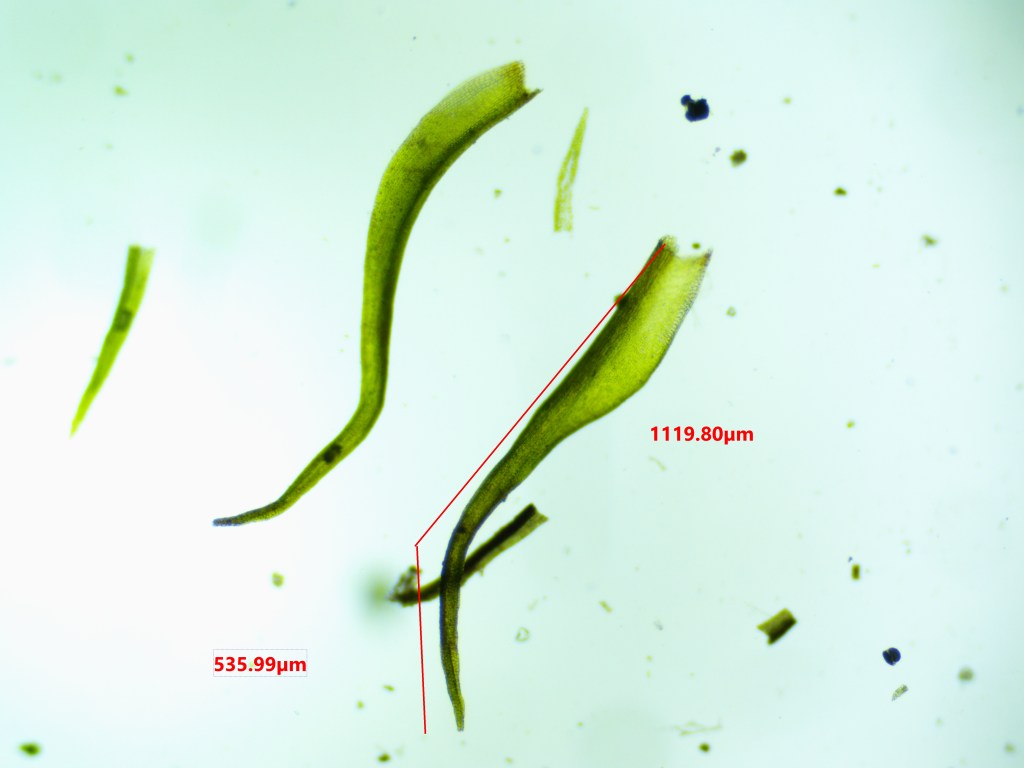
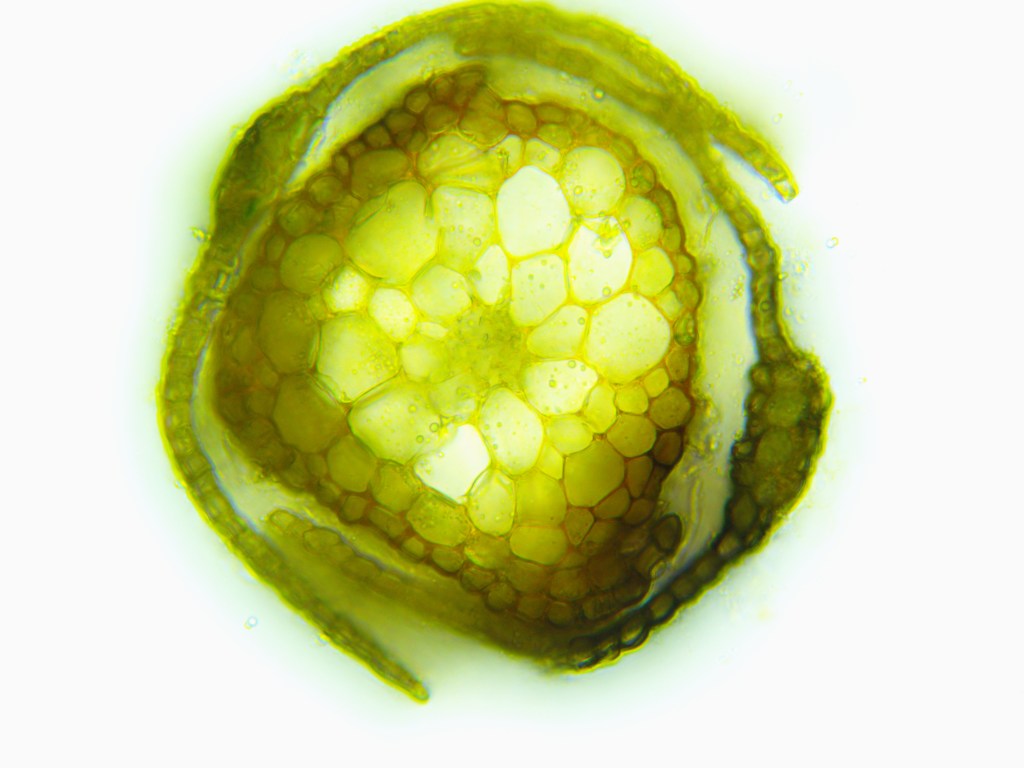
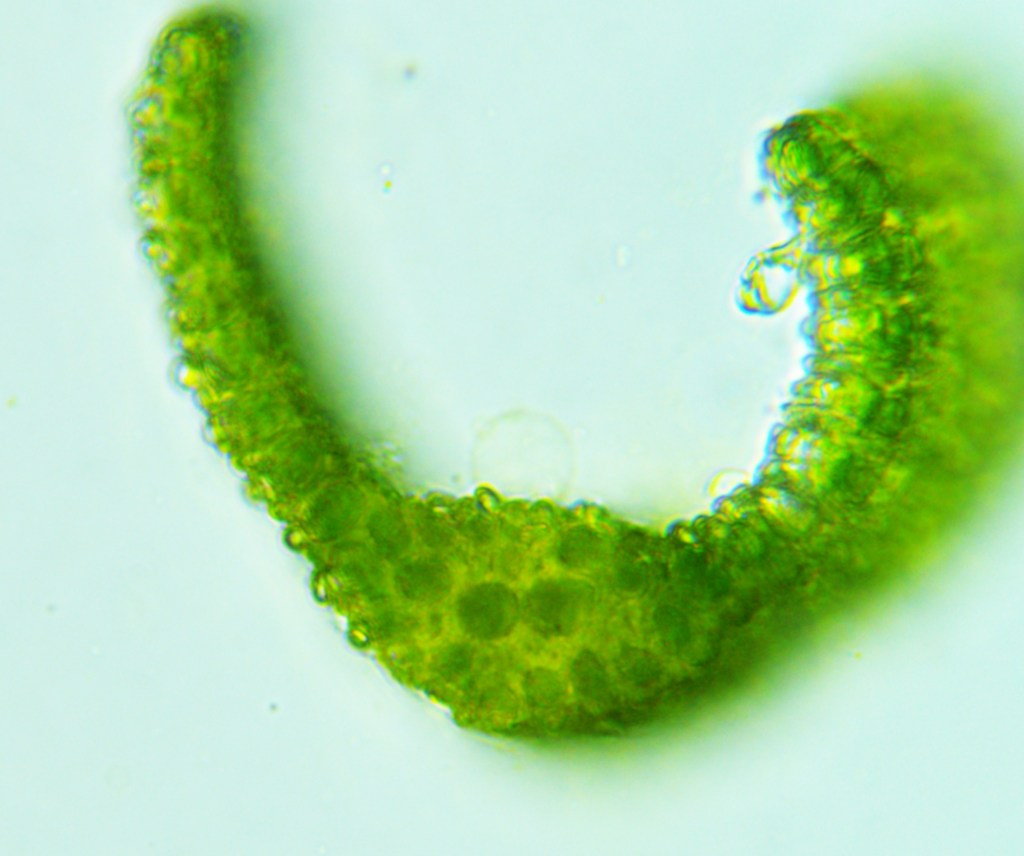
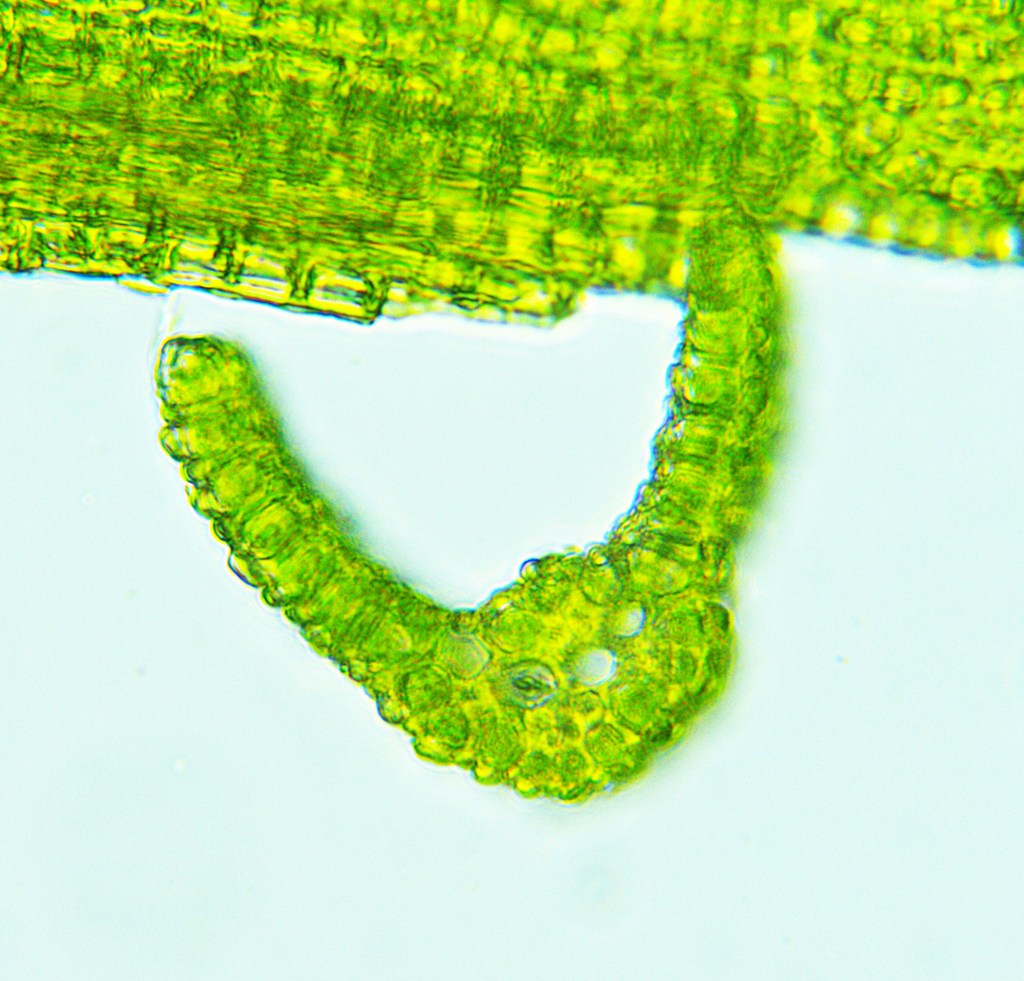
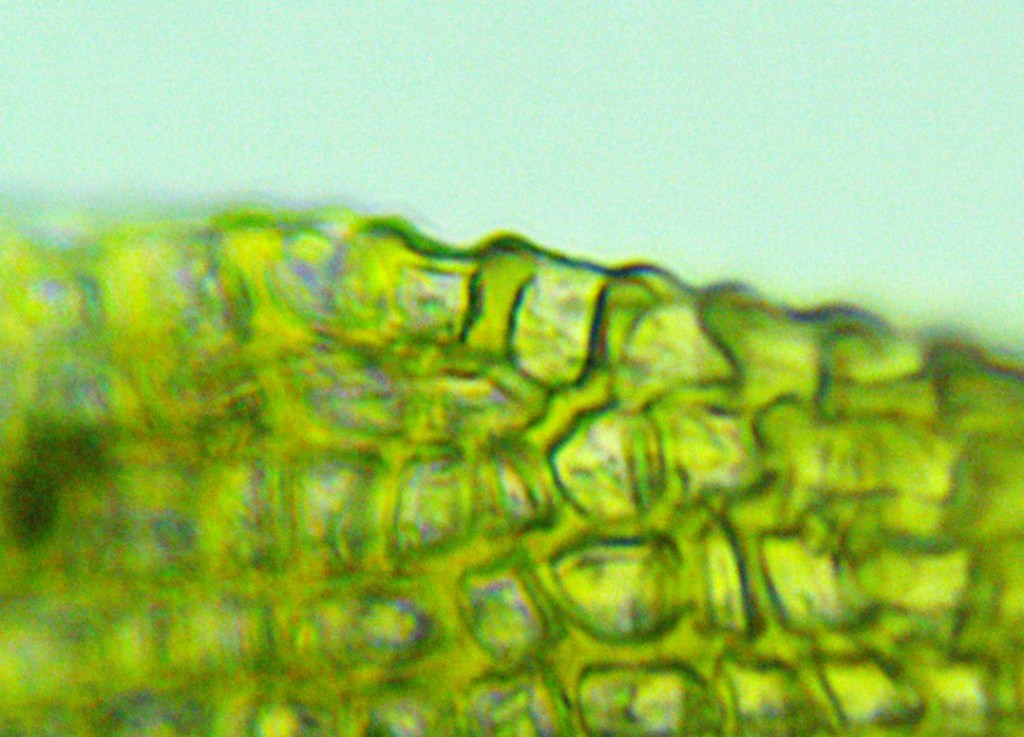
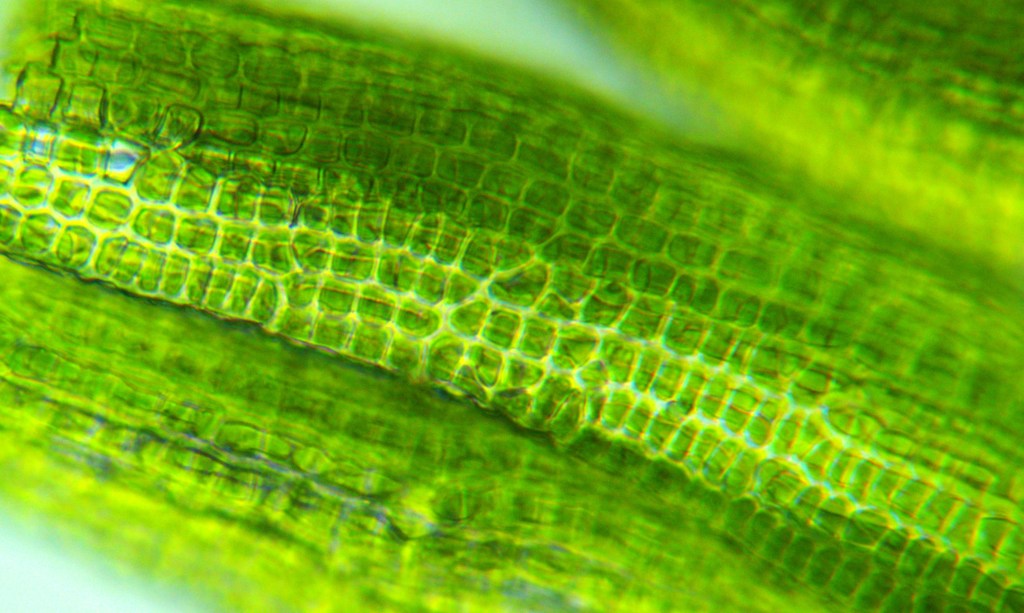
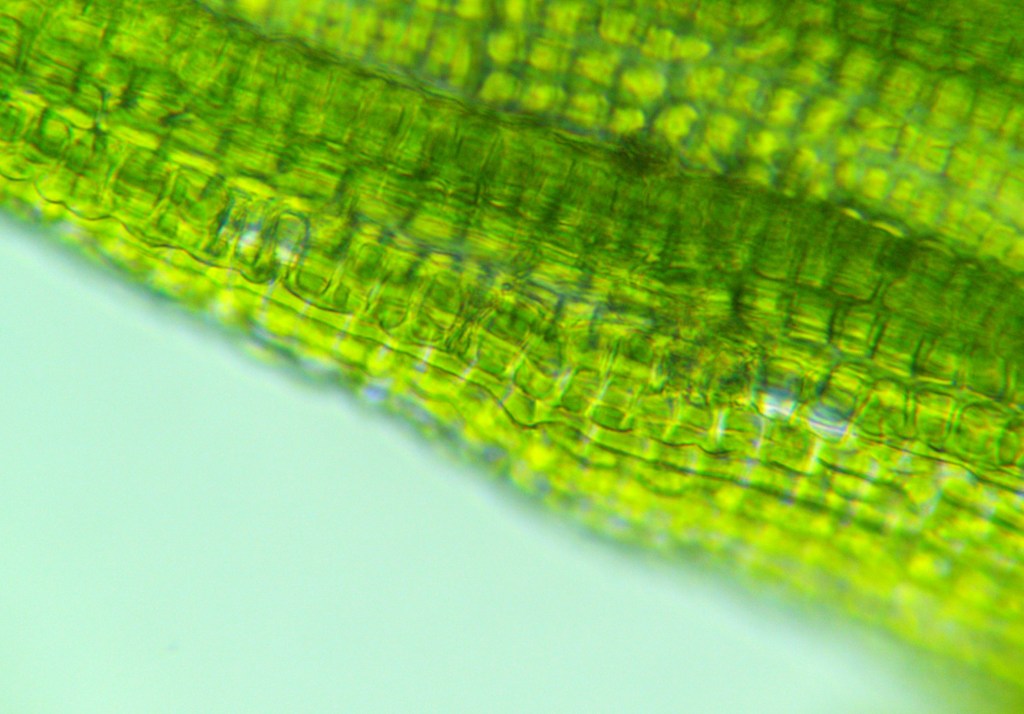
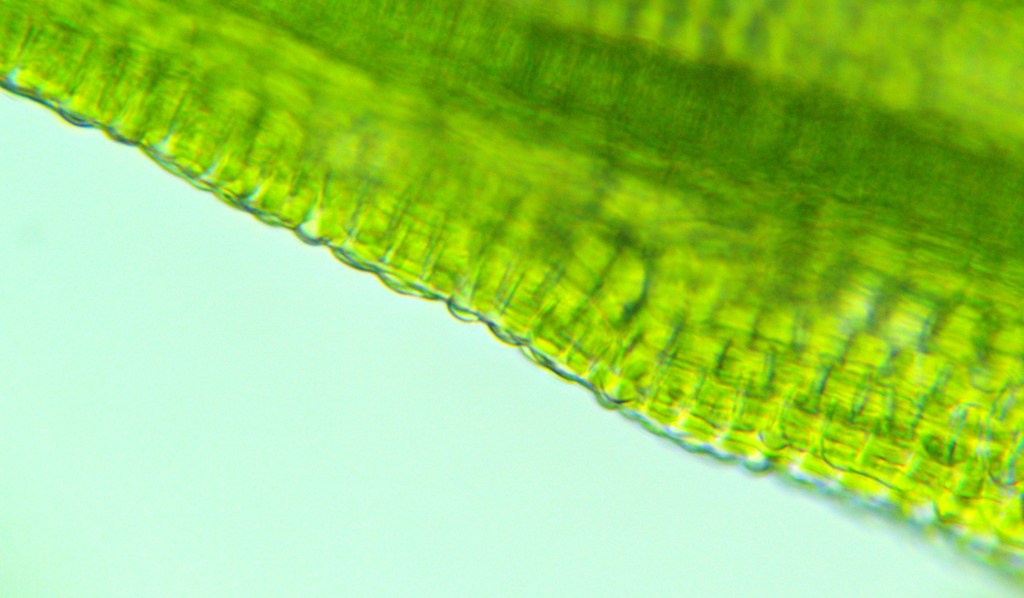
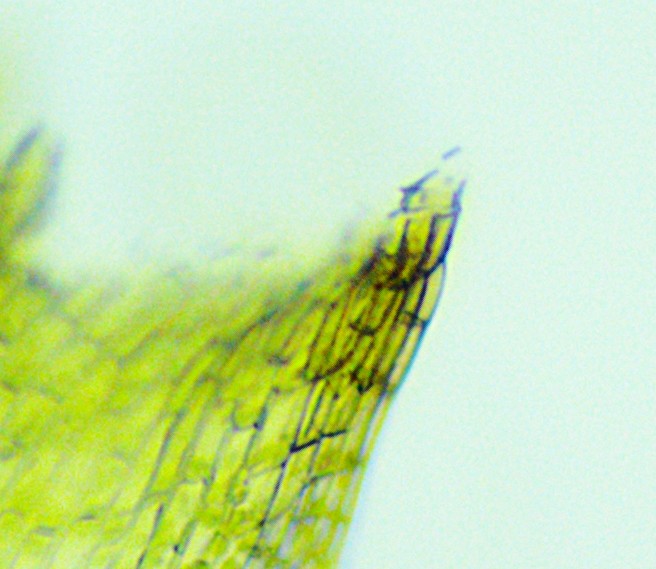
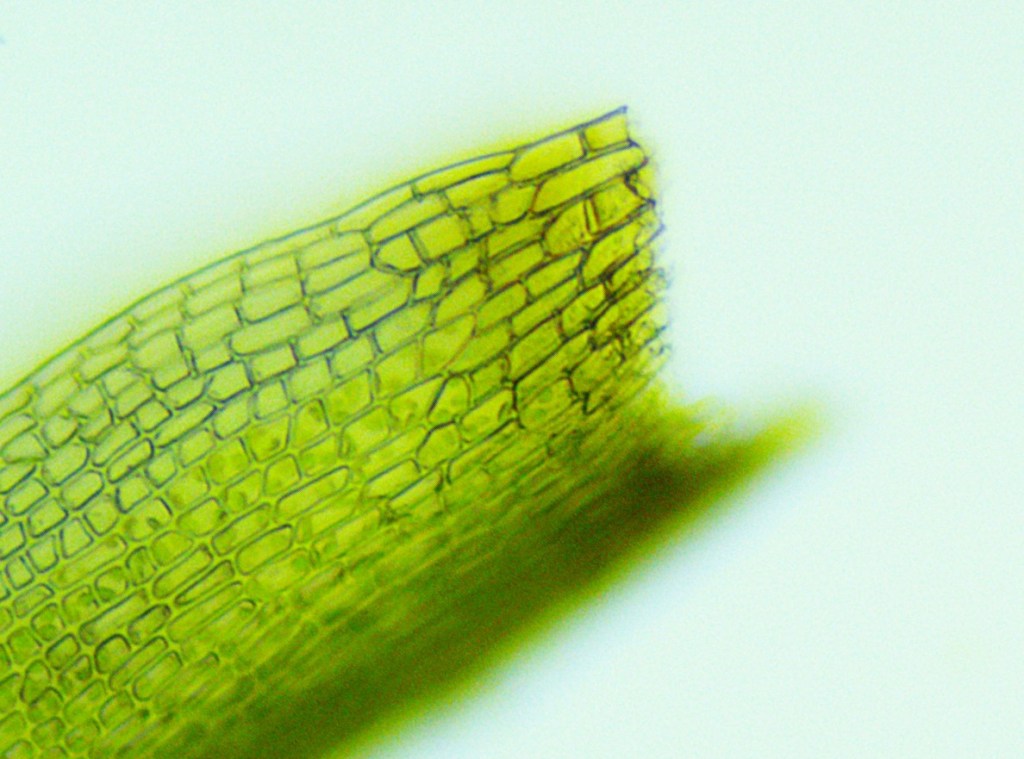
It was nice to get this mystery solved, and I hope the images help show what some of these descriptions look like. Until then, happy mossing!
If you are needing a field guide book to the mosses of Missouri and surrounding states, click here for my Mosses of Missouri Through a Hand Lens field guide.

 Mosses of Missouri and Beyond
Leave a comment