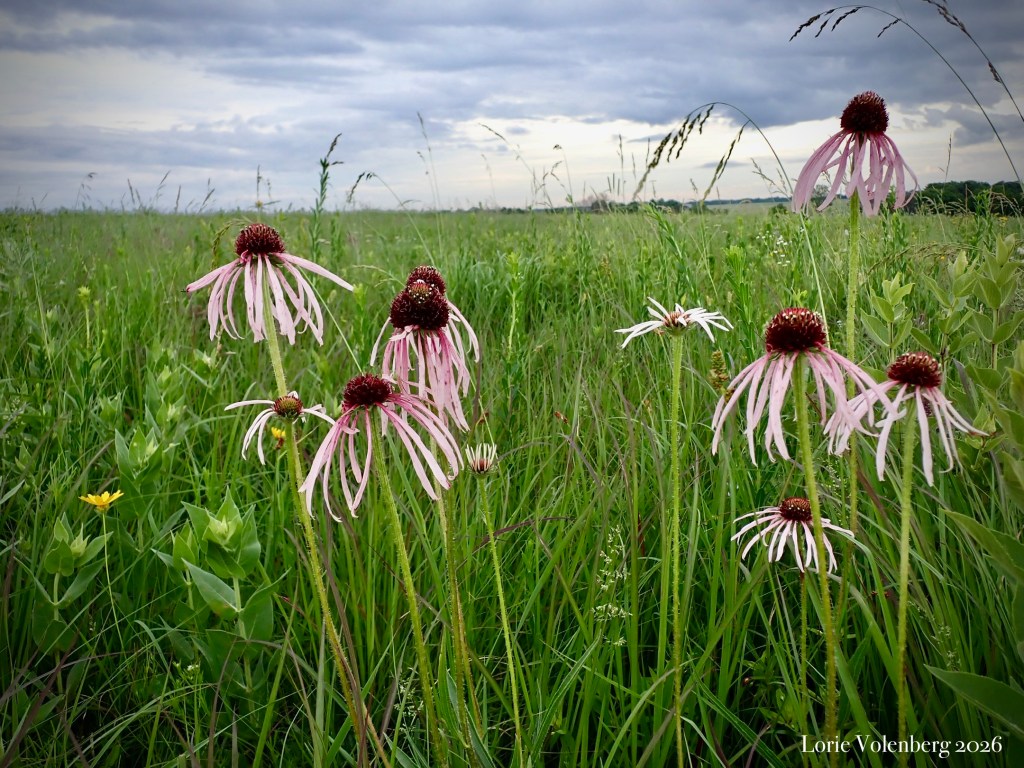
The Missouri Prairie Foundation’s annual bioblitz was held at the Lordi Marker Prairie, just south of Sedalia, Missouri this year. The weather was threatening showers and thunderstorms leading up to the event, but it spared us by presenting only a few sprinkles here or there. There were wonderful sessions both Saturday and Sunday, and I lead the bryophyte sessions on both those days. All sessions filled early, and it was another successful bioblitz!
This prairie was acquired in 2020, and a bryophyte checklist had not been done yet, so this was a perfect opportunity to see what was out there. In total, we found 17 mosses, 2 liverworts, and 1 hornwort, with one moss species being a species of conservation concern (SOCC). There were a few that I was not able to identify at home, such as a Brachythecium species along with 2 interesting looking acrocarps. I feel that the two acrocarps are young gametophytes, and I’m willing to bet that one is Barbula inquiculata, but I’m not comfortable making that call.
The unburned portion of the prairie provided better hunting opportunities so that is where we spent the Saturday session. As a note, they typically will burn half the prairie one year, and the other half the following year. I was surprised to see that the dominant morphology type found in the unburned portion of the prairie was the pleurocarp. This might be explained by noting that prior to the prairie being acquired by MPF, it was hayed and had not seen fire. I’ll be curious to go back in another 10 yrs after a regular fire regiment has continued to see if the balance between pleurocarps and acrocarps changes.
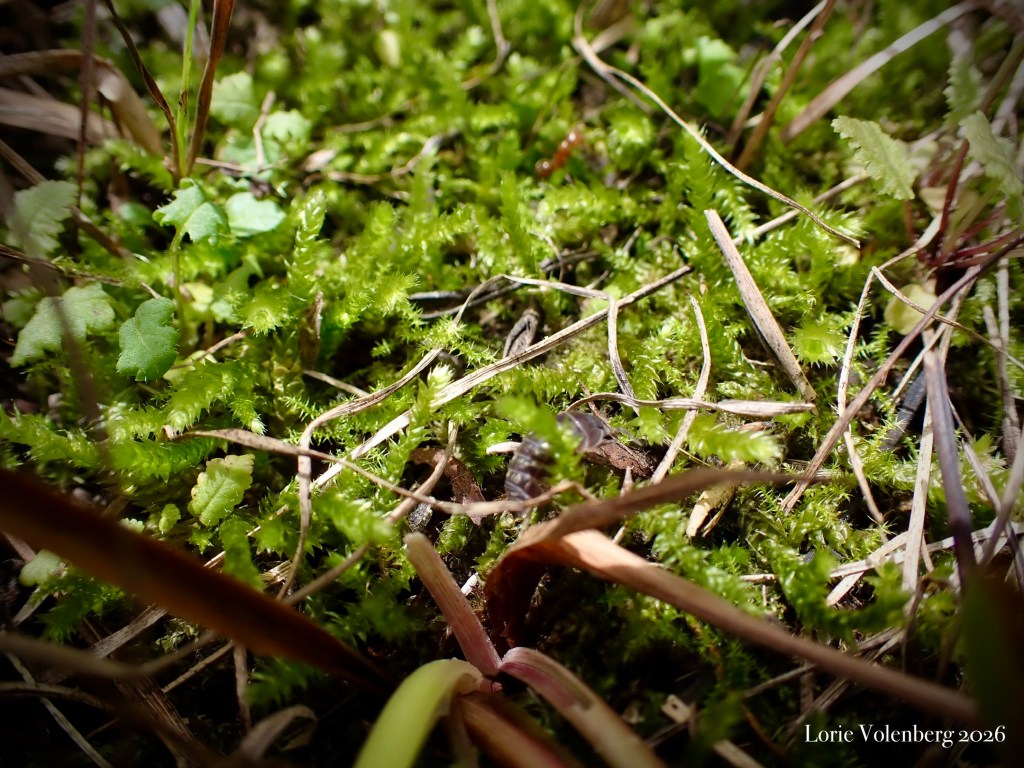
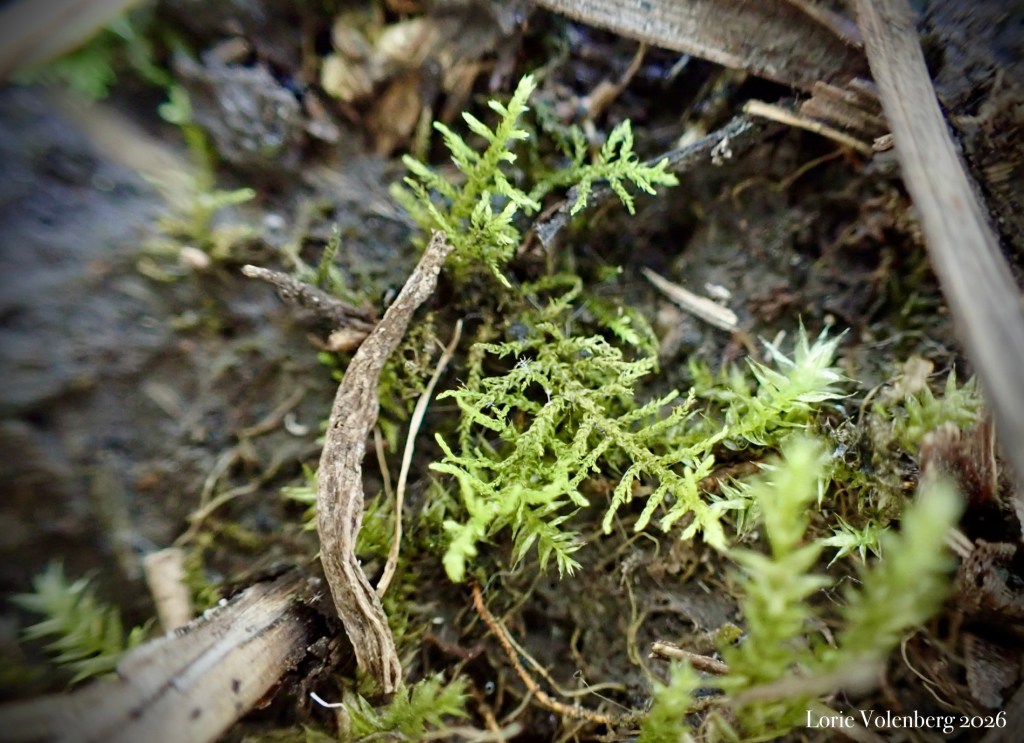
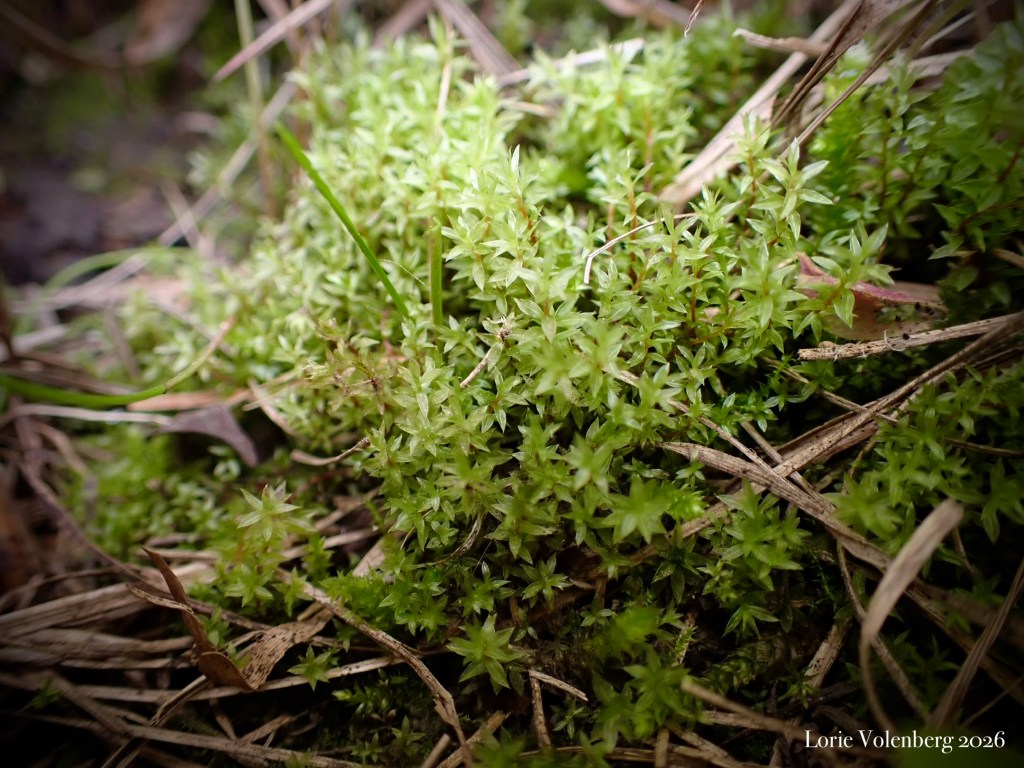
The dominant pleurocarps were Rhynchostegium serrulatum, Campylium chyrsophylum, and Bryoandersonia illecebra. The Bryoandersonia threw me for a loop, and this is where it is great to get out into different ecosystems that are not your norm. My experience with this species is mainly in woodland areas, or transition zones. Coming across it smack in the middle of the prairie was something I did not expect, and it did not look like the typical Bryoandersonia I am used to seeing, which is very imbricate, julaceous, and robust. Blake called it right though! The delicate fern moss, Thuidium delicatulum, was also found lightly scattered throughout.
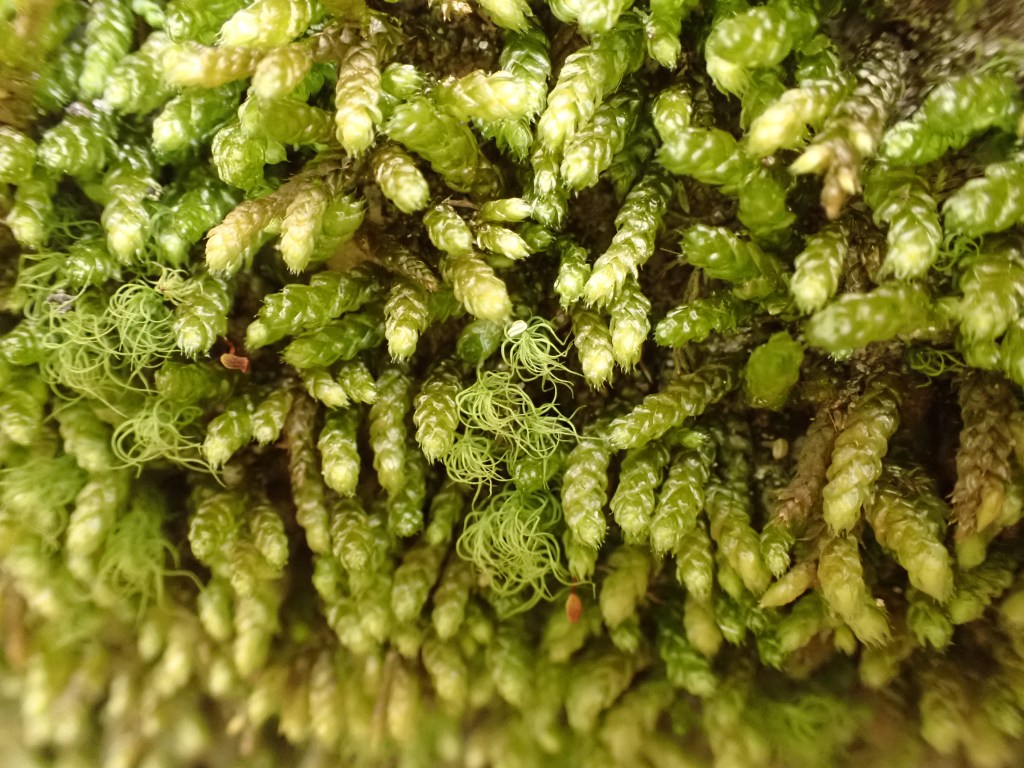
Bryoandersonia illecebra in the typical habit I am used to seeing in a woodland for comparison to the photo above. The linear leaved moss is the apple moss, Bartramia pomiformis.
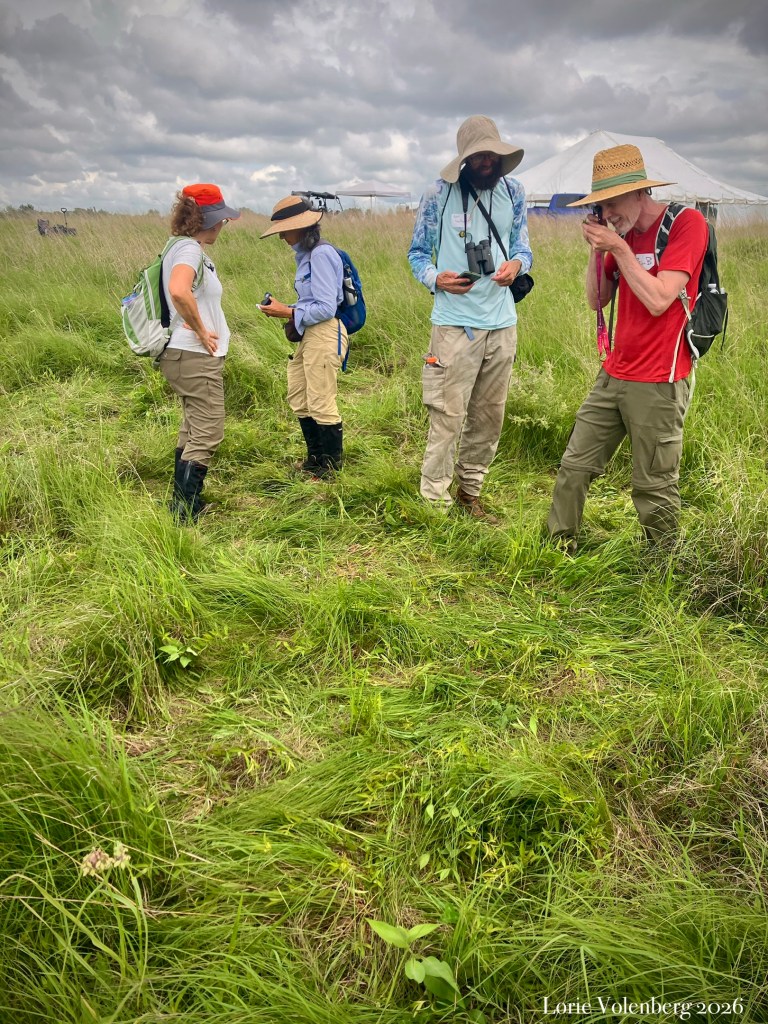
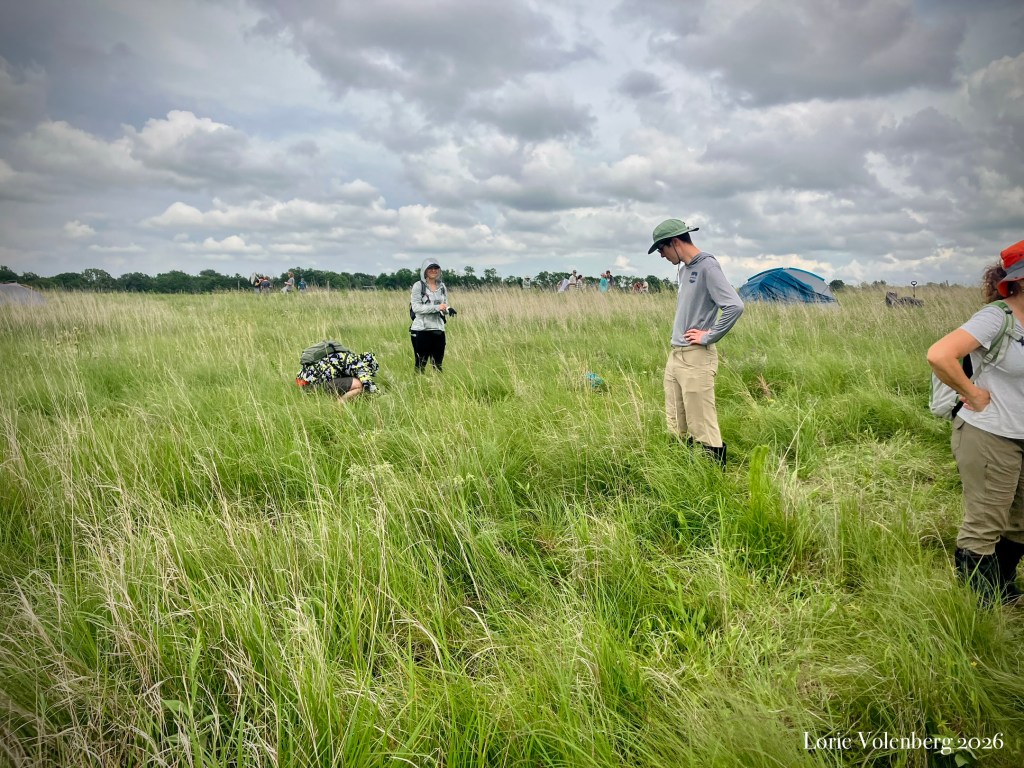
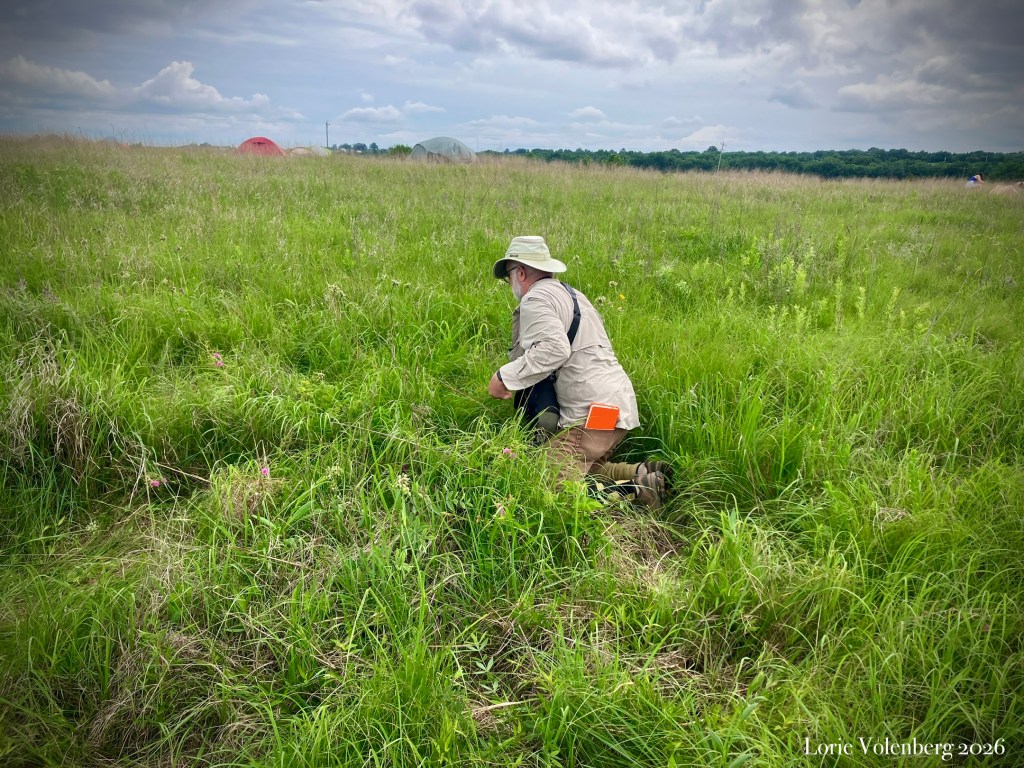
Above: The participants went full speed ahead looking for mosses buried under the thatch.
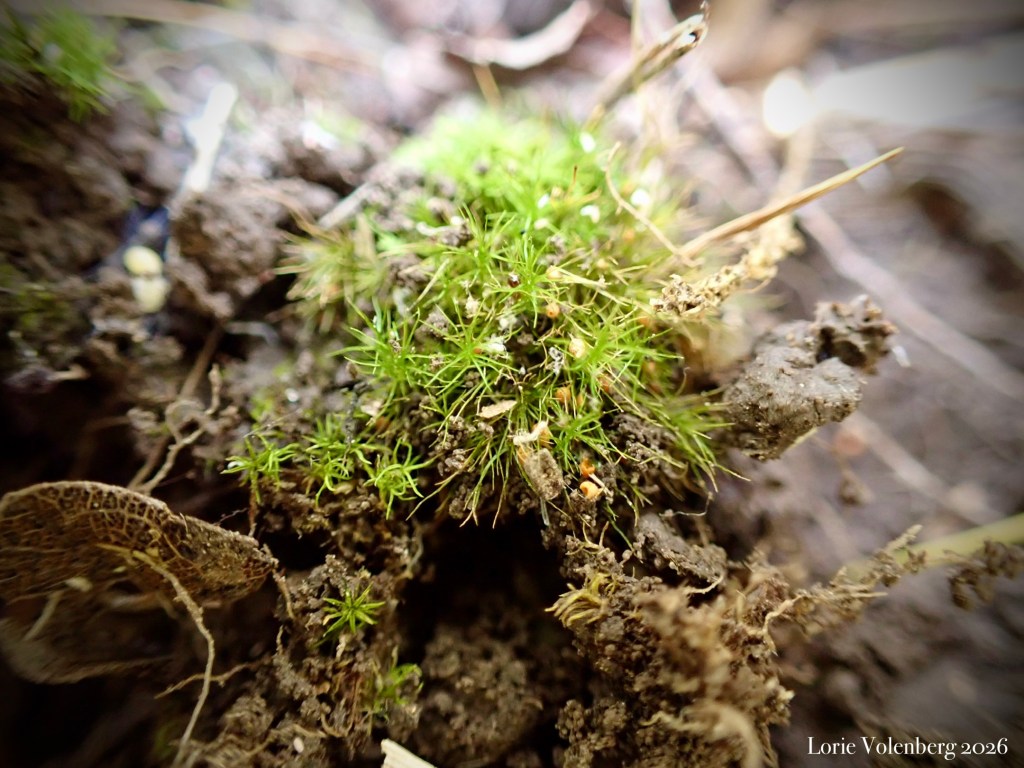
A range of acrocarps were found: Weissia controversa, Ptychostomum pseudotriquetrum, Physcomitrium pyriform, and Pleuridium subulatum are some examples.
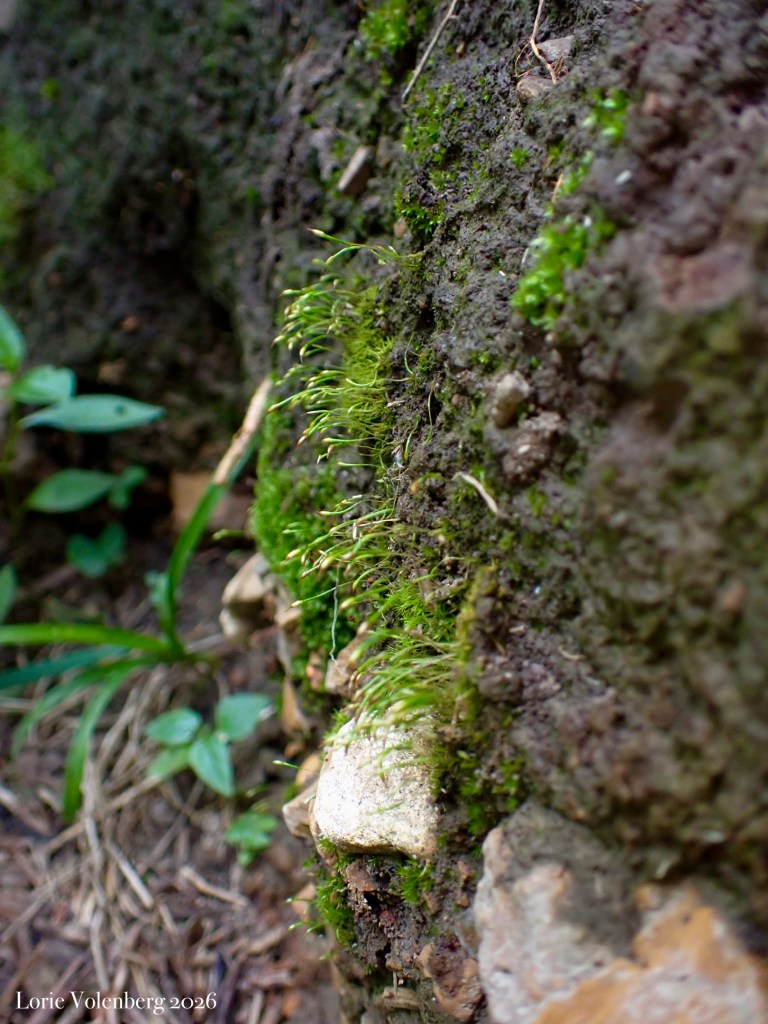
After the sessions were done for the afternoon, we enjoyed a delicious potluck dinner with a fish fry. Afterwards, Blake took Lee and I down to the creek to show us the Trematodon longicolis he had found along the bank. This is always a treat to see with its crazy long neck-to-urn ratio of the capsule, and it is an S2 ranked SOCC species.
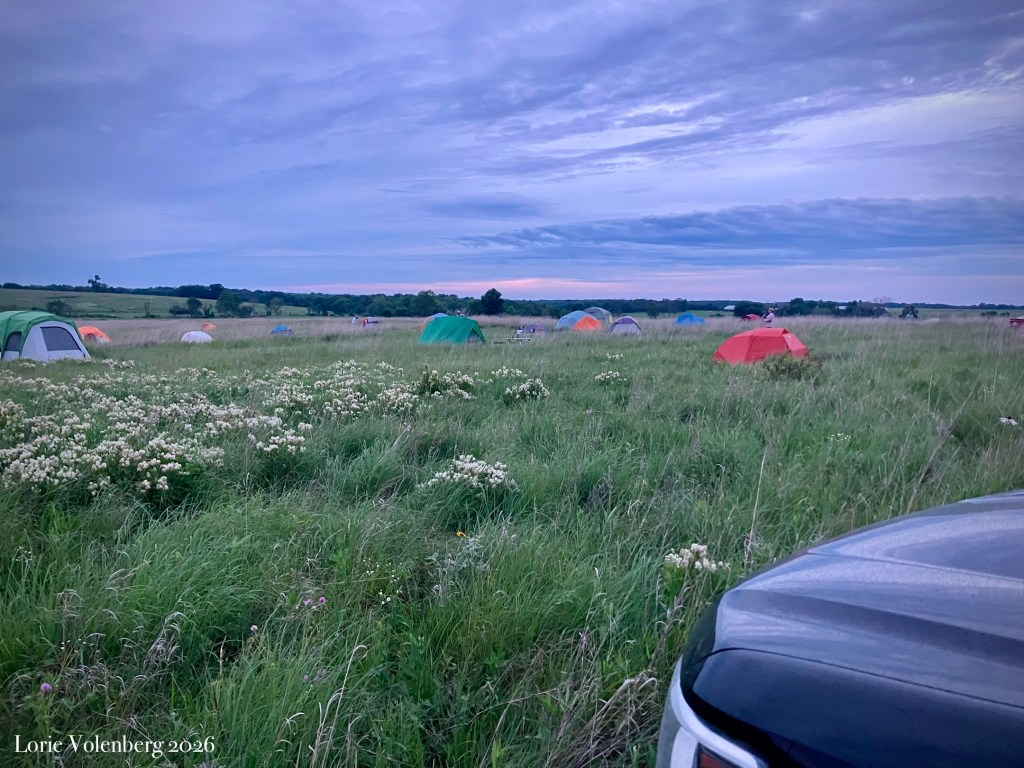
Souls braver than I pitched their tents in the prairie. I decided to sleep in my truck and not take any chances with the predicted storms that never showed up that night. It was a lovely evening in the prairie.
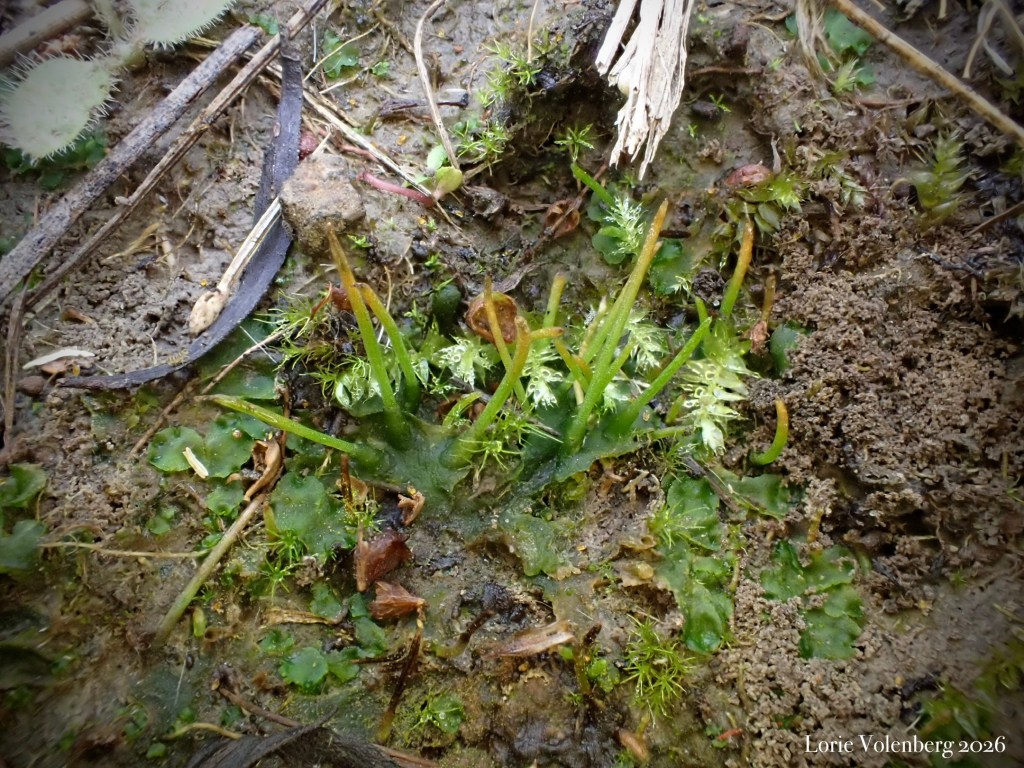
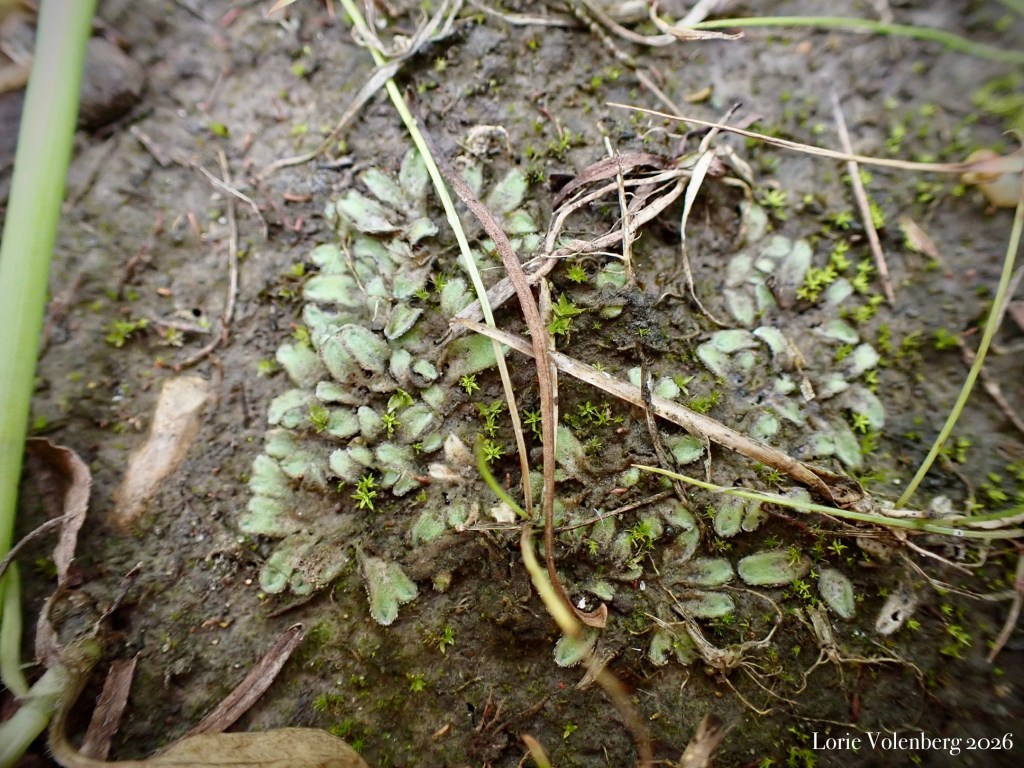
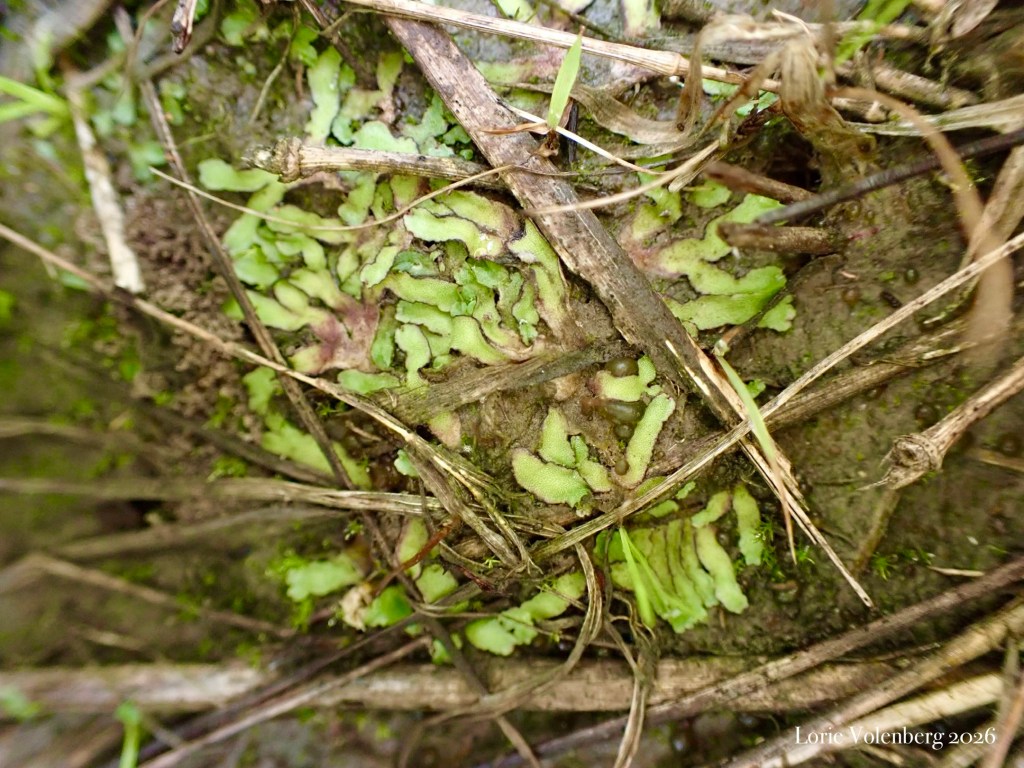
On Sunday, we went into the burned section where we headed down to a ravine that held some water. Along the edge was slightly barren ground, and there we found the hornwort and two liverworts. Phaeoceros carolineanus was quite happily showing off its horns everywhere, while the two thalloid liverworts; Riccia beyrichiana and Asterella tenella, were sporophyte free.
For a complete list of bryophytes found at the Lordi Marker Prairie, click here.
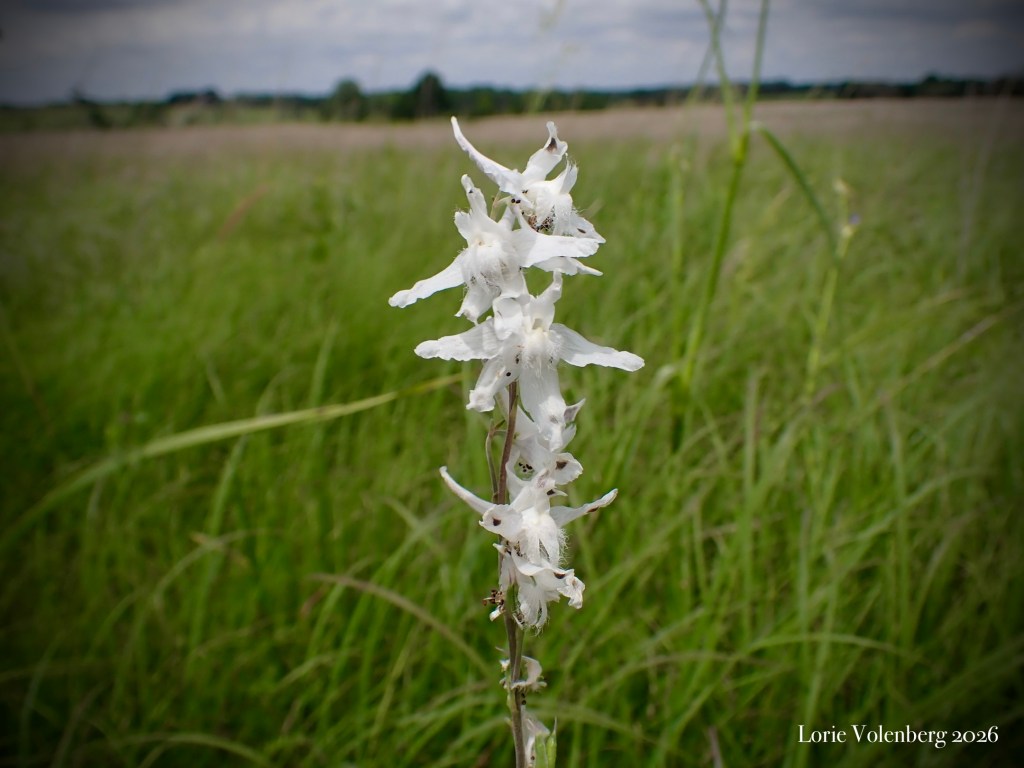
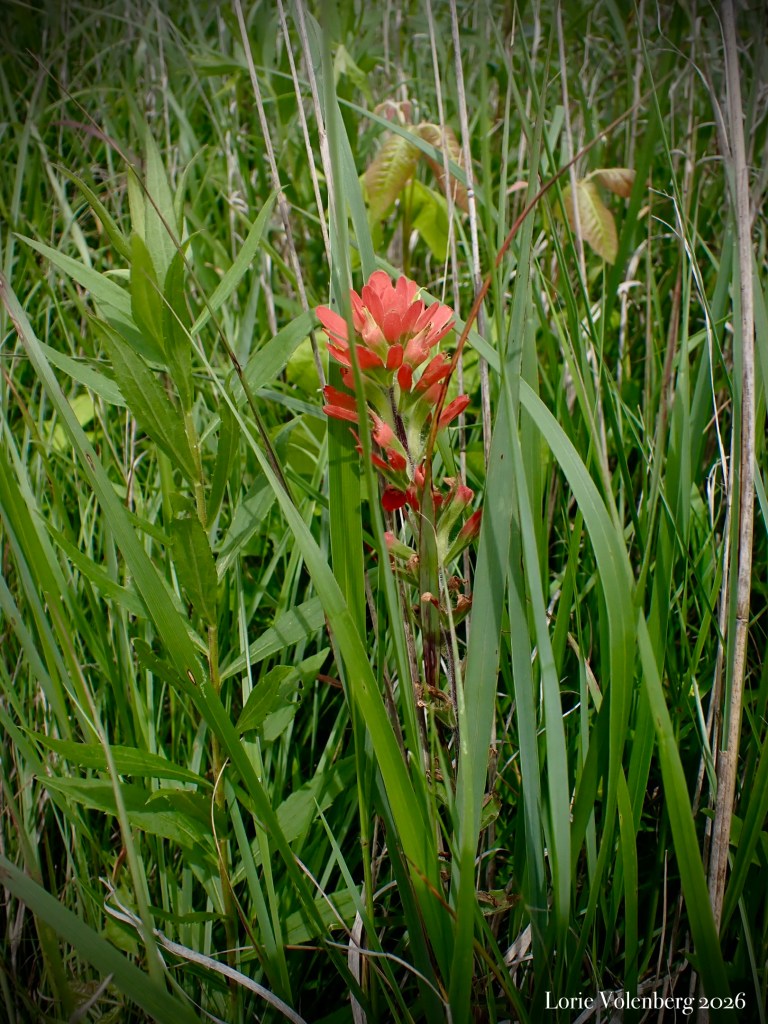
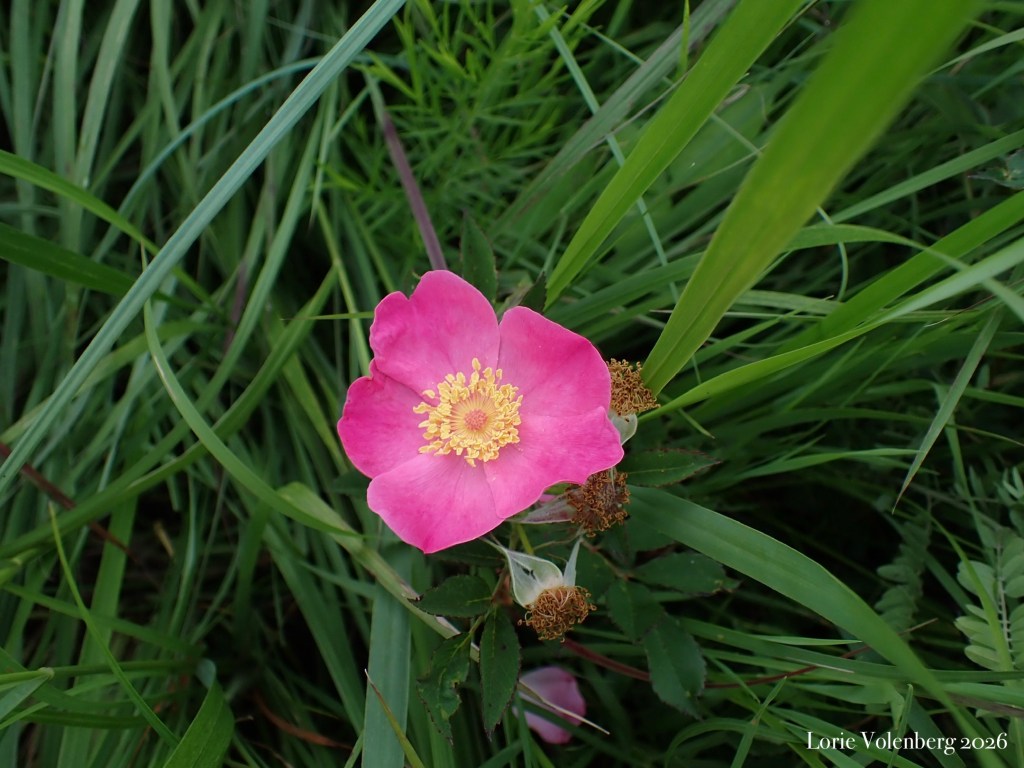
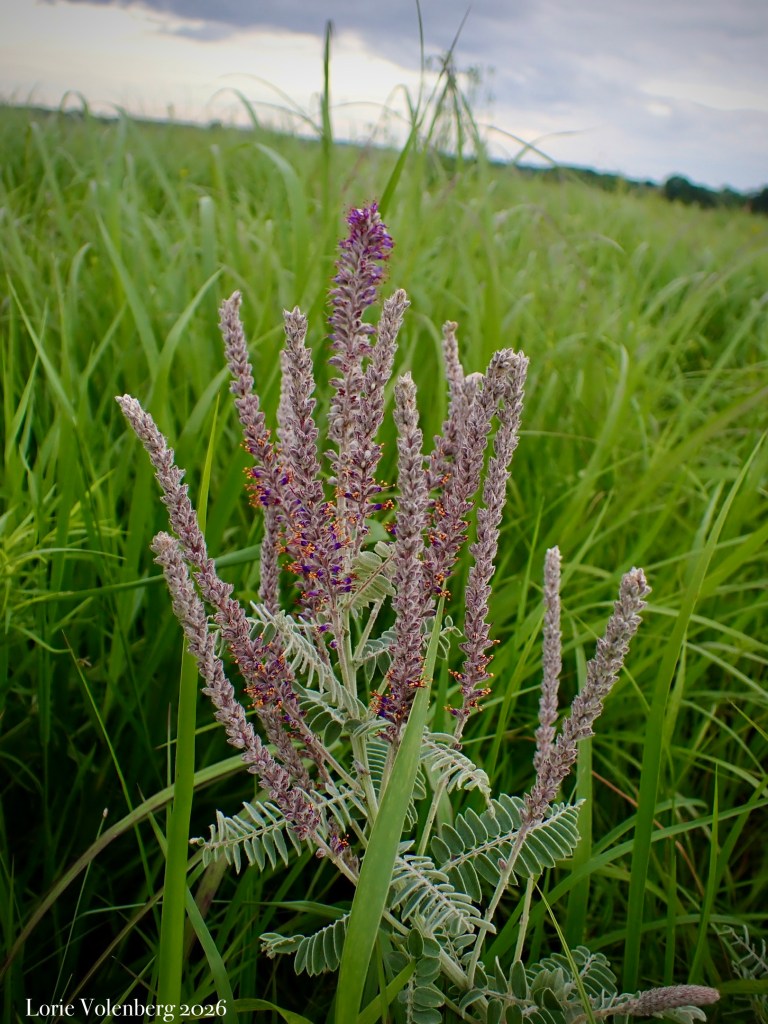
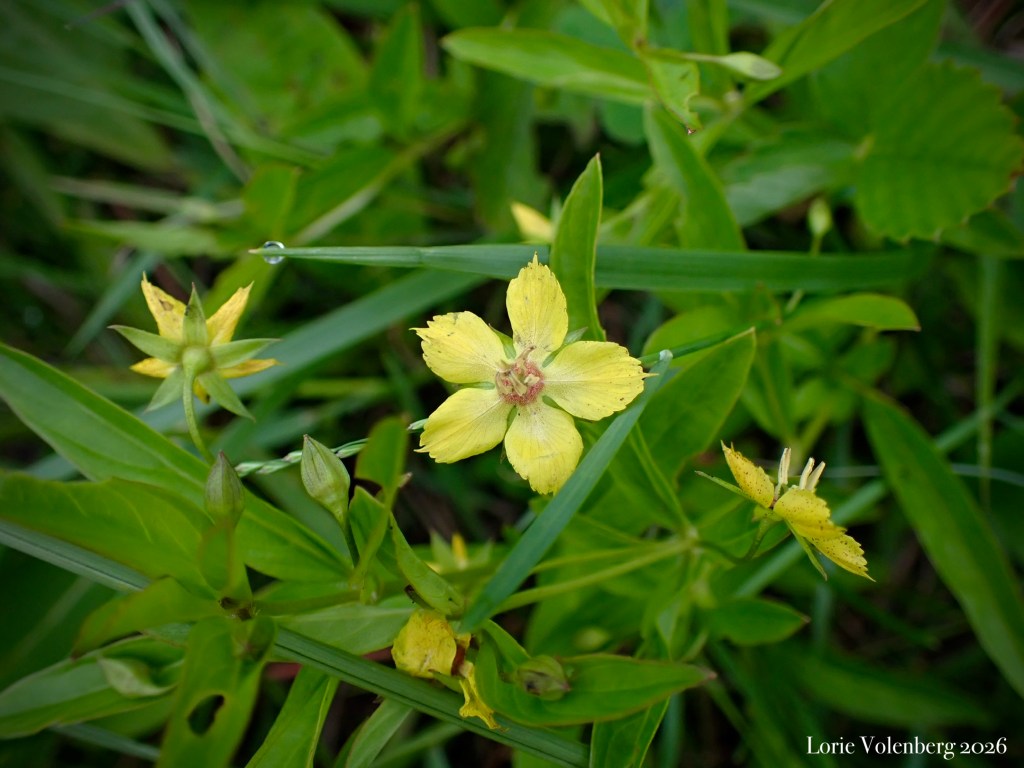
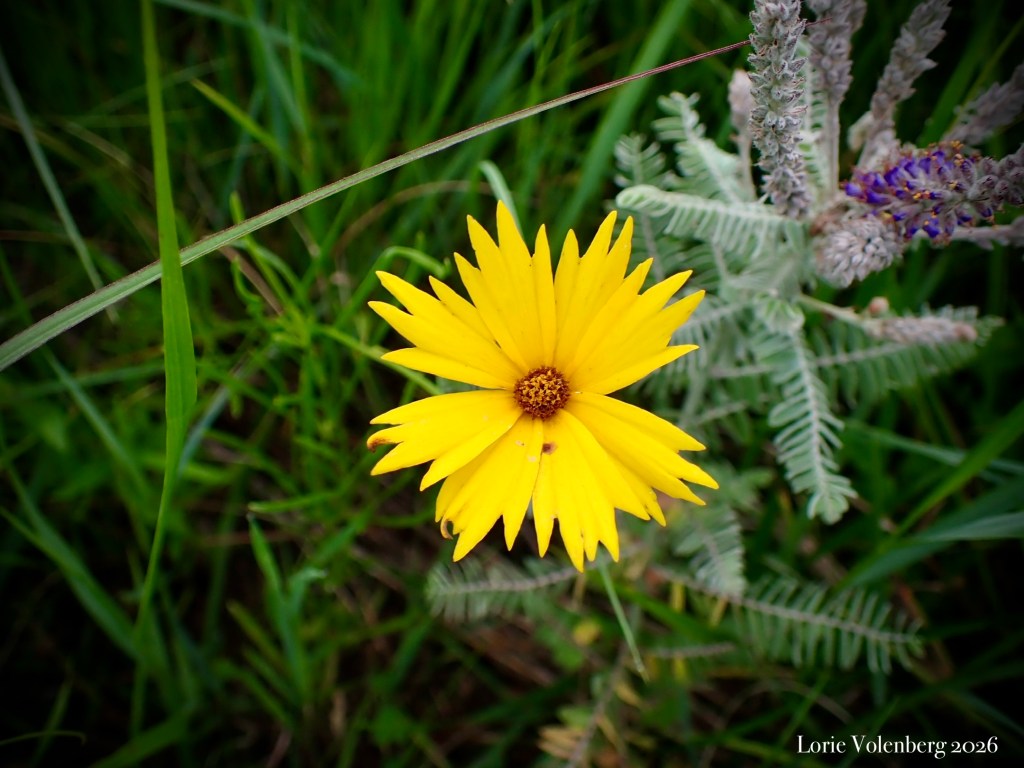
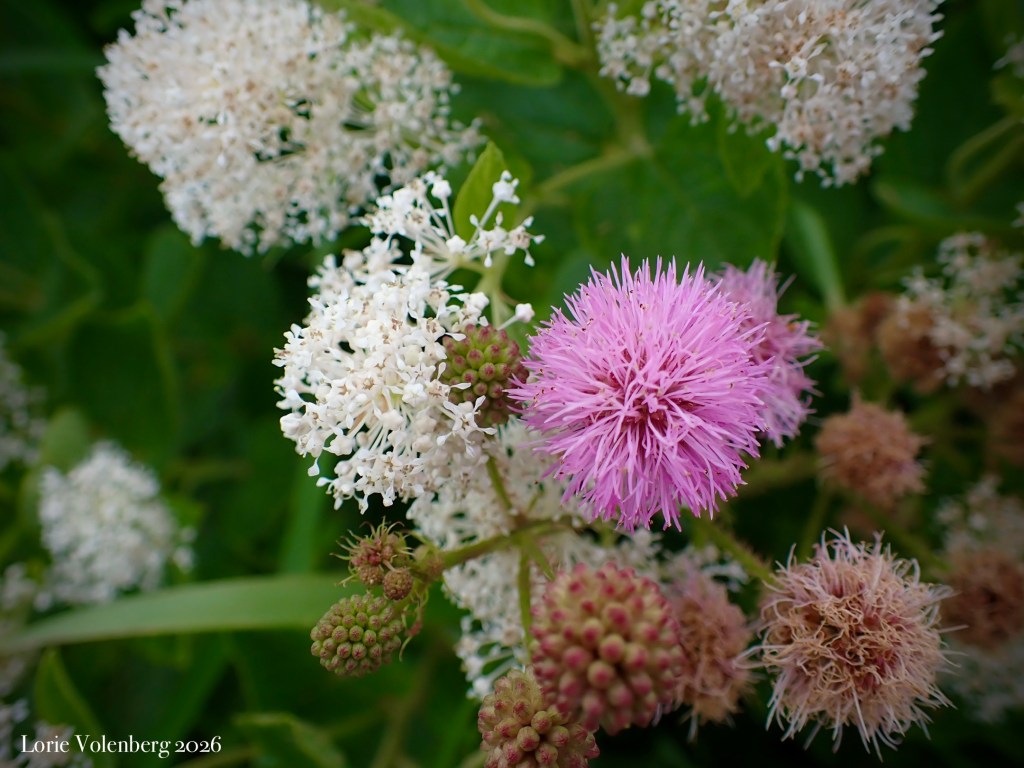
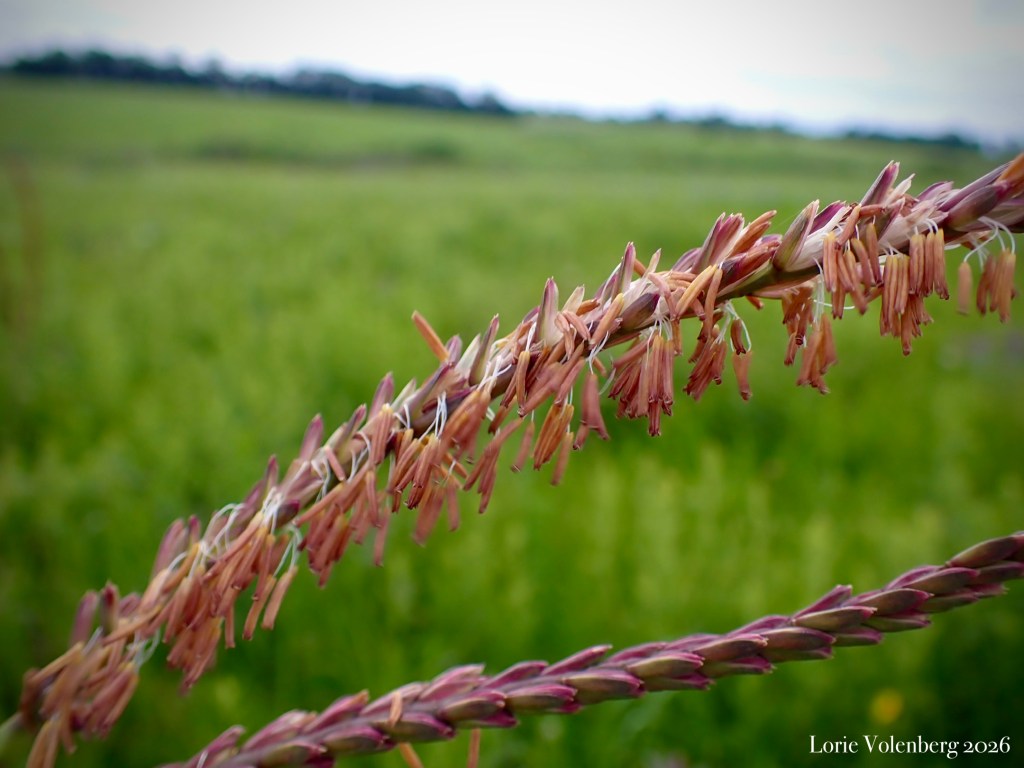
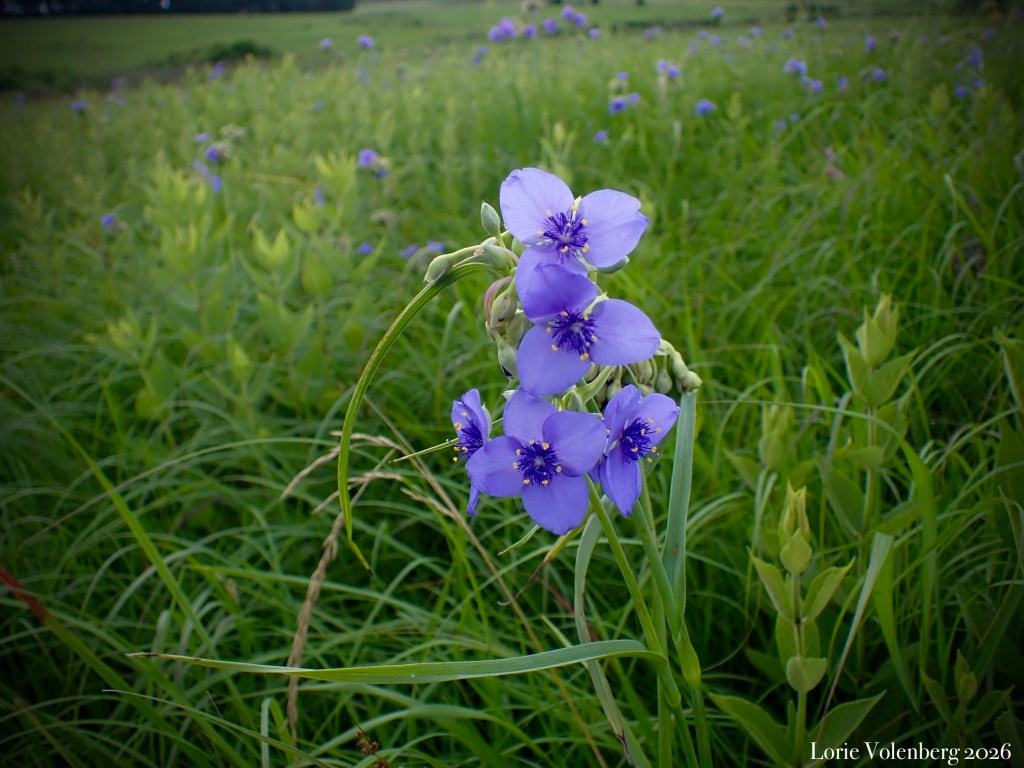
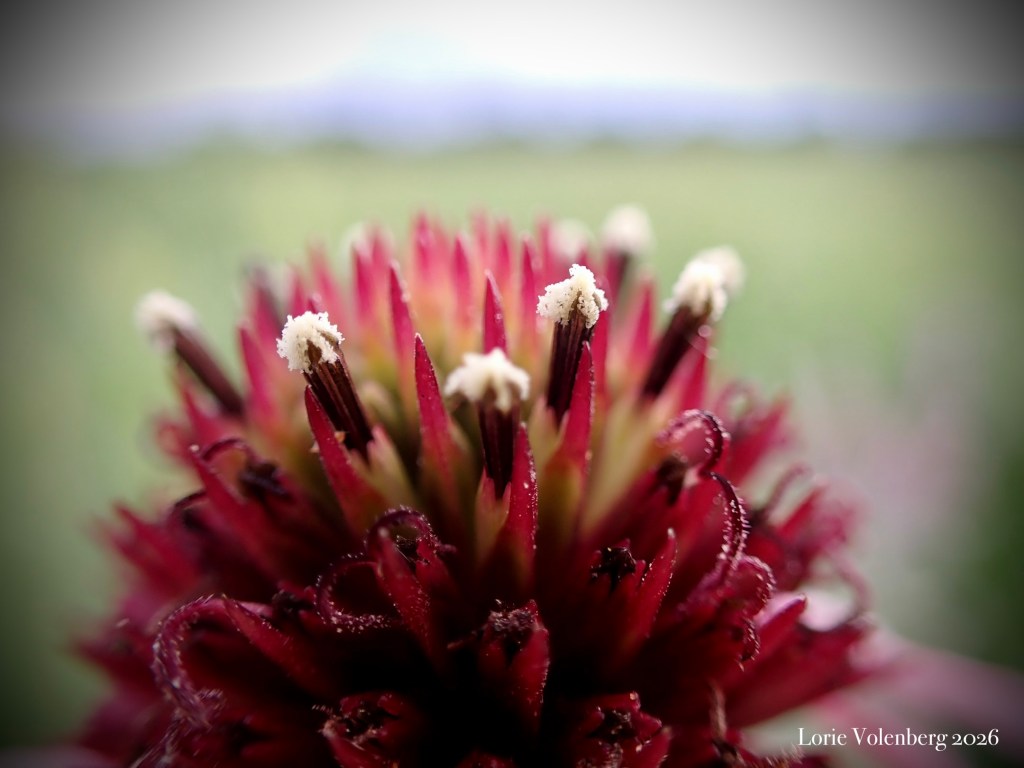
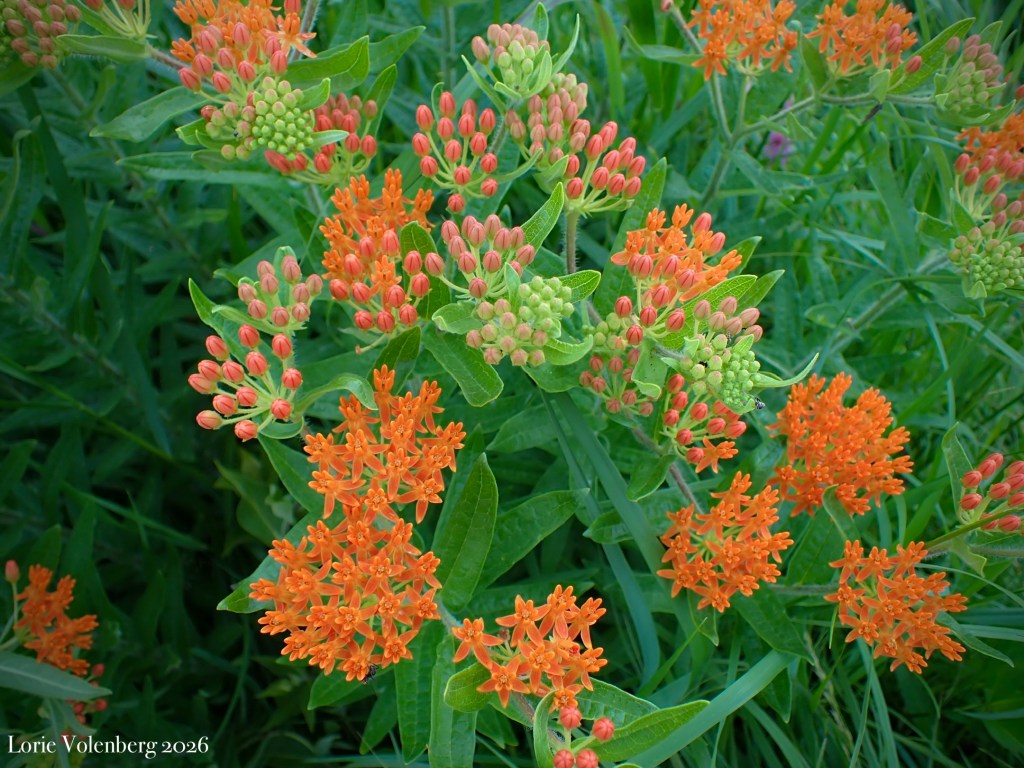
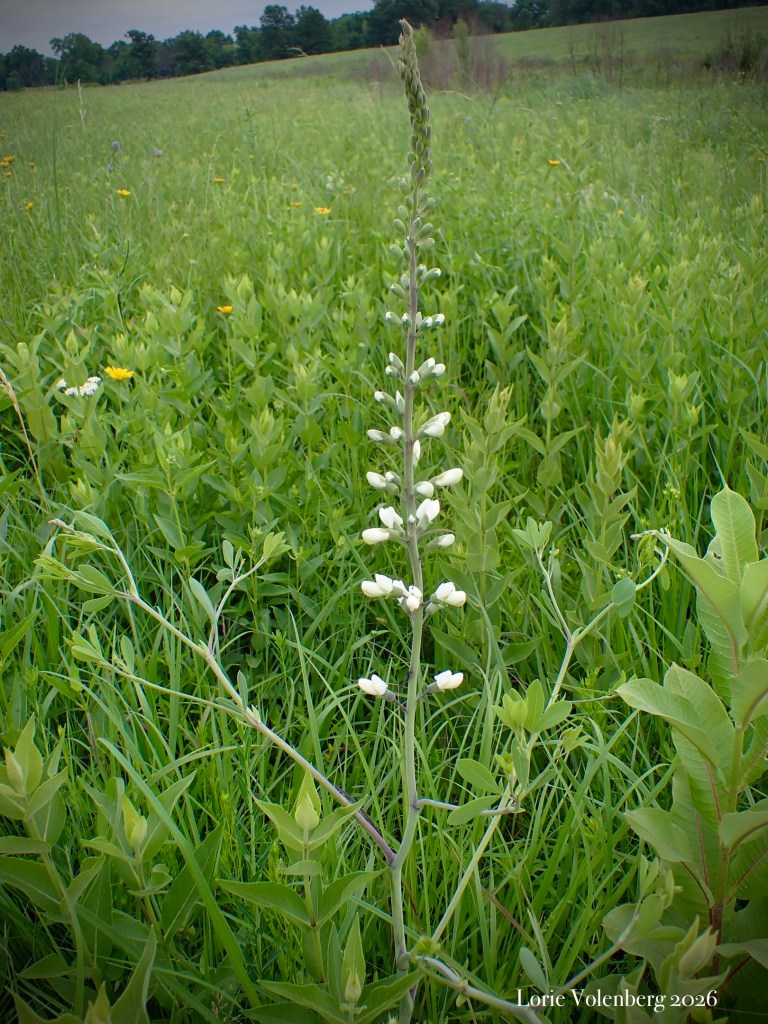
No prairie bioblitz would be complete without taking pictures of the beautiful flowers.
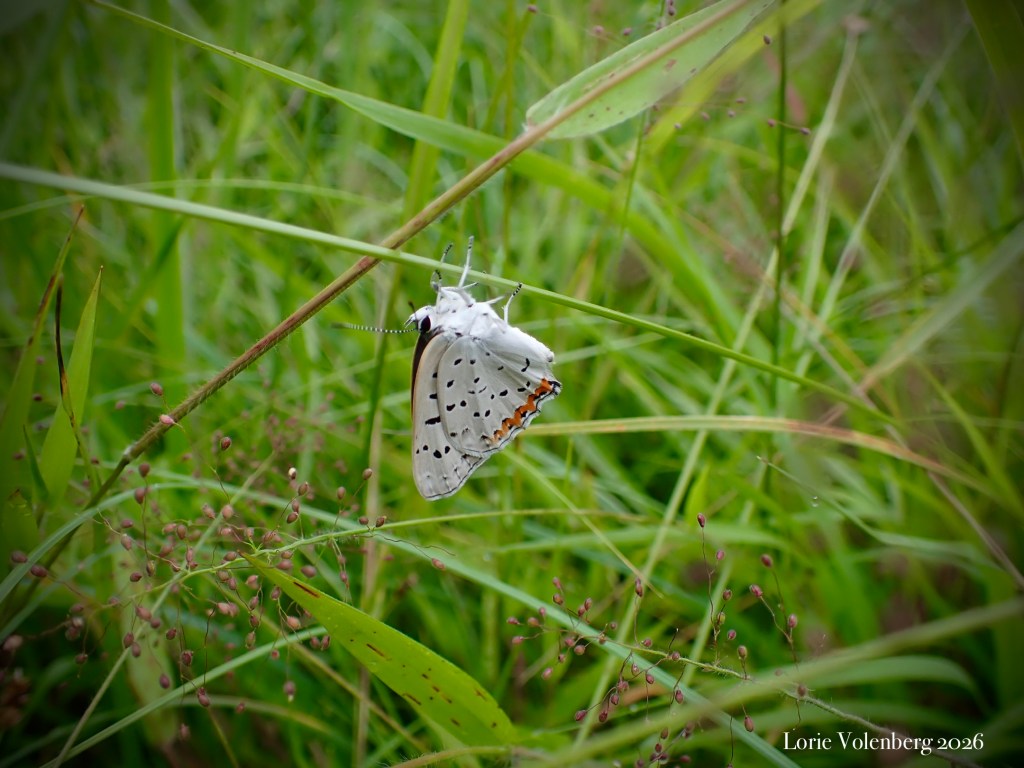
And three insects I came across.
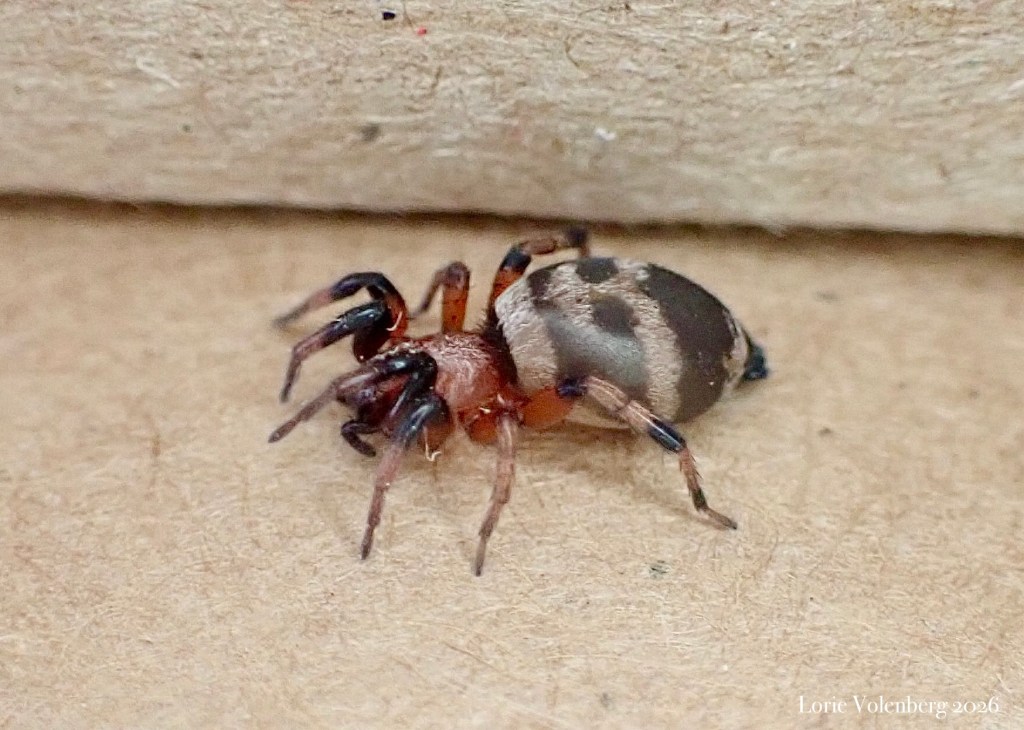
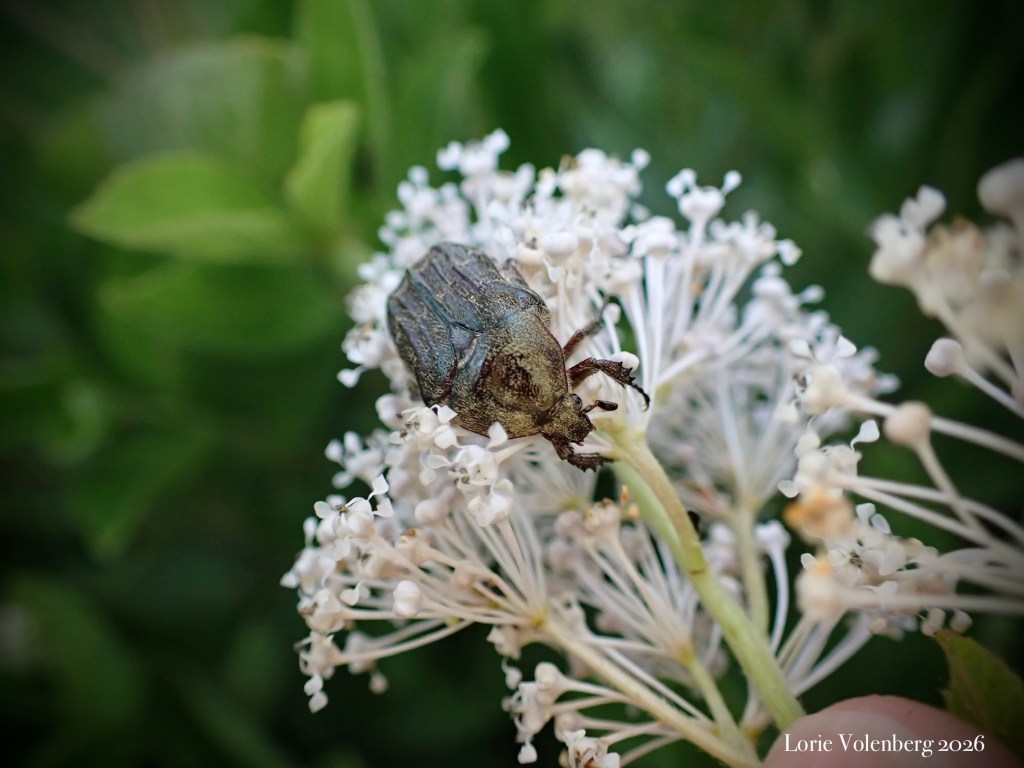
Another wonderful prairie bioblitz is under the belt. If you didn’t make it out this year, consider joining us next year! Until then,
Happy Mossing!!

 Mosses of Missouri and Beyond
Leave a comment