The common term bryophyte is referring to three divisions of plants: Mosses, Liverworts and Hornworts. Bryophytes are believed to be the most primitive land plants on earth as they are considered to be the bridge between aquatic algae and terrestrial vascular plants. After bryophytes colonized the land, the “higher” plant forms such as ferns, grasses, trees, and wildflowers evolved. They are called “higher” plant forms as they have a vascular system that allows for transport of nutrients.
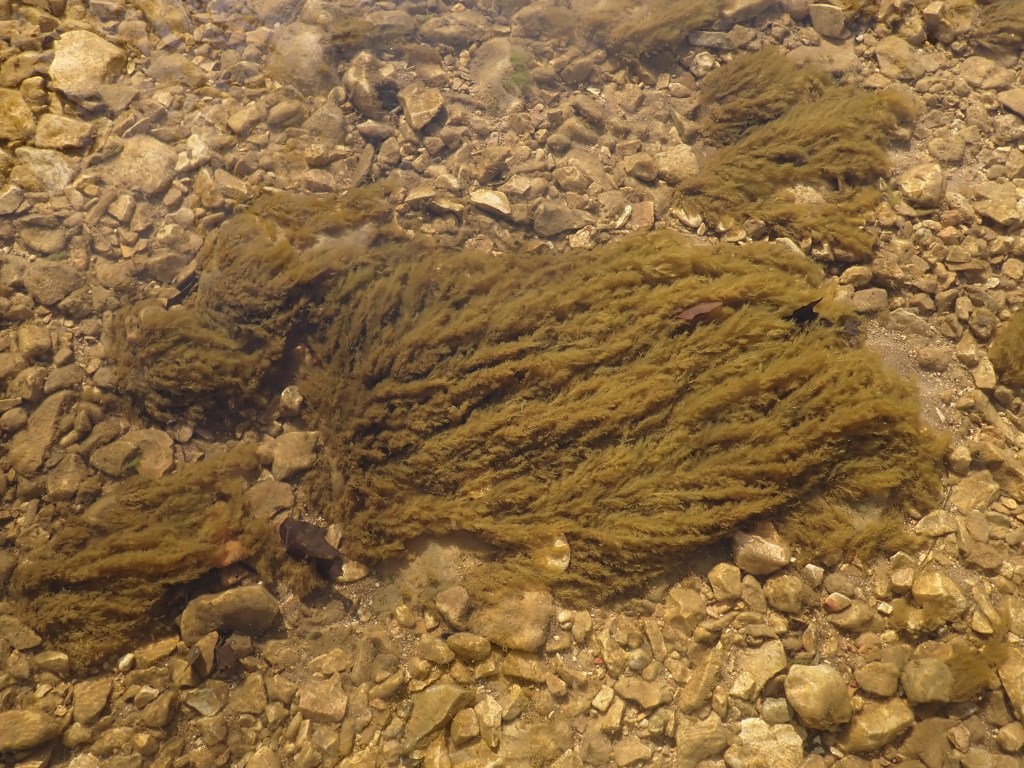
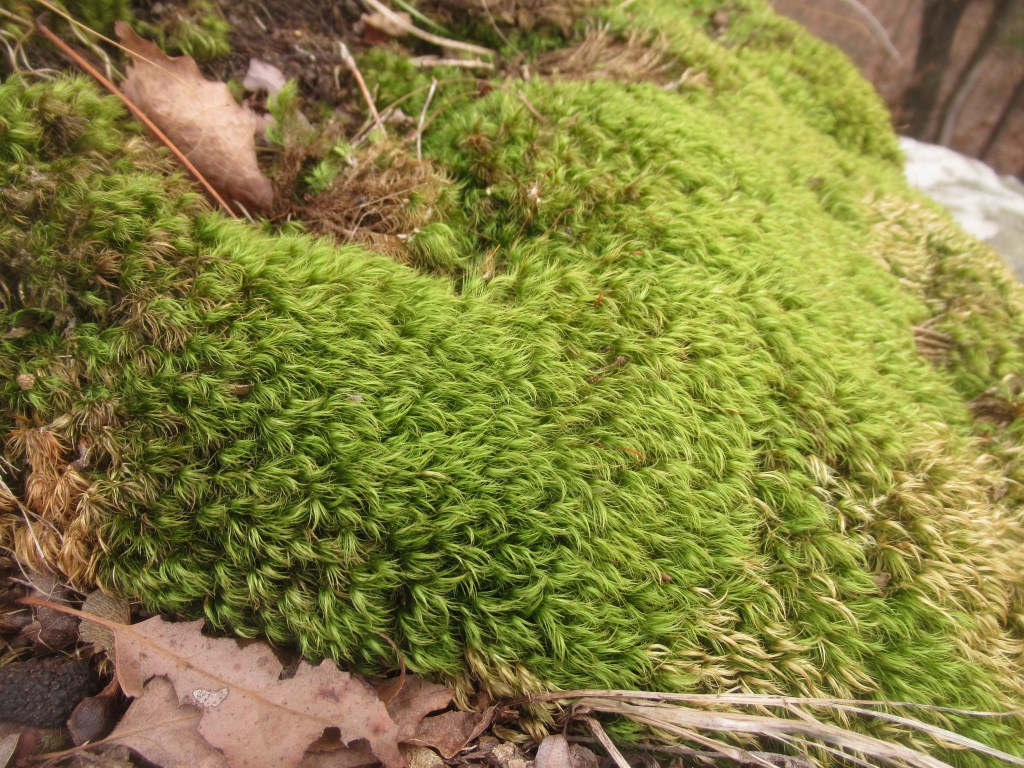
Bryophytes are different from vascular plants in several ways.
- They do not produce lignin, therefore they do not have an advanced vascular system. Some moss species such as in the genera Polytrichum, have an archaic vascular system that aids in the movement of water and nutrients up and down the stem.
- They reproduce via spores; therefore, they do not produce flowers and seeds.
- They lack true roots but may have rhizoids to help attach to a substrate.
- They are generally one to several cells thick which allows transport of nutrients via osmosis.
- Lastly, they have a dominant gametophyte stage of life.
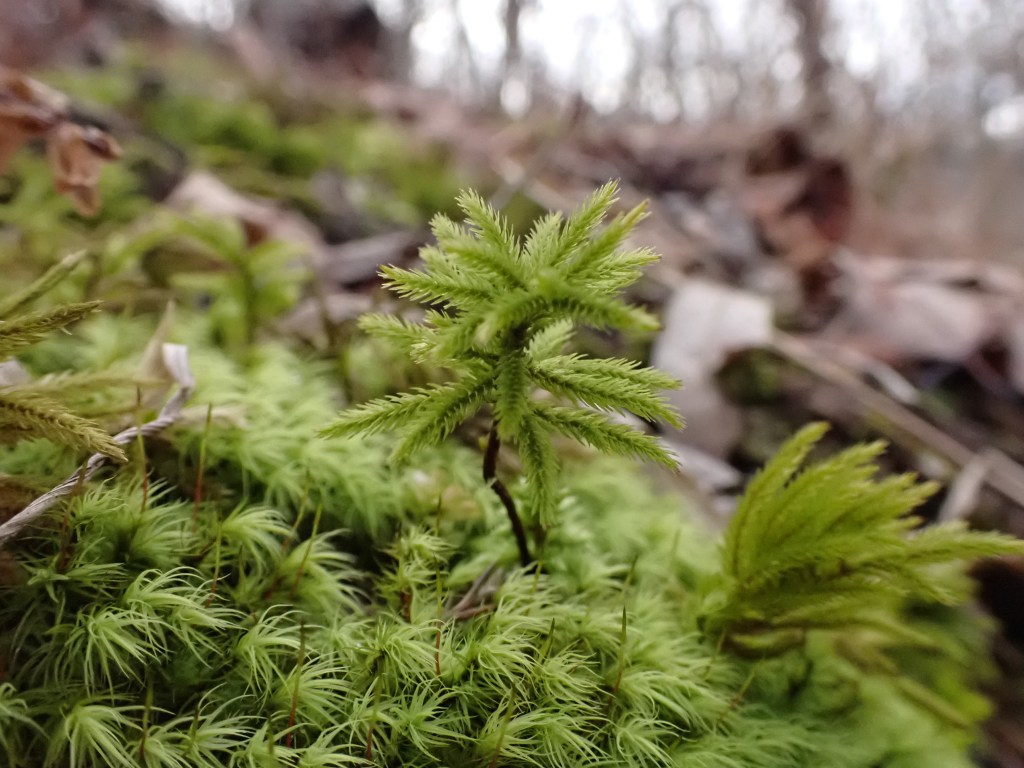
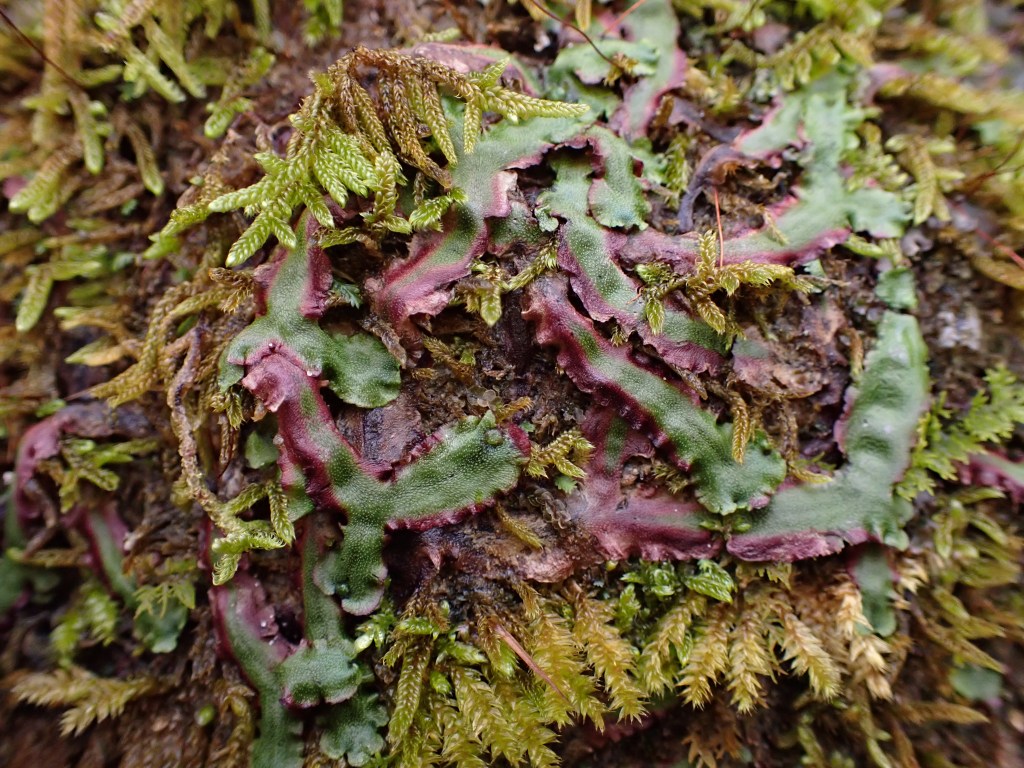
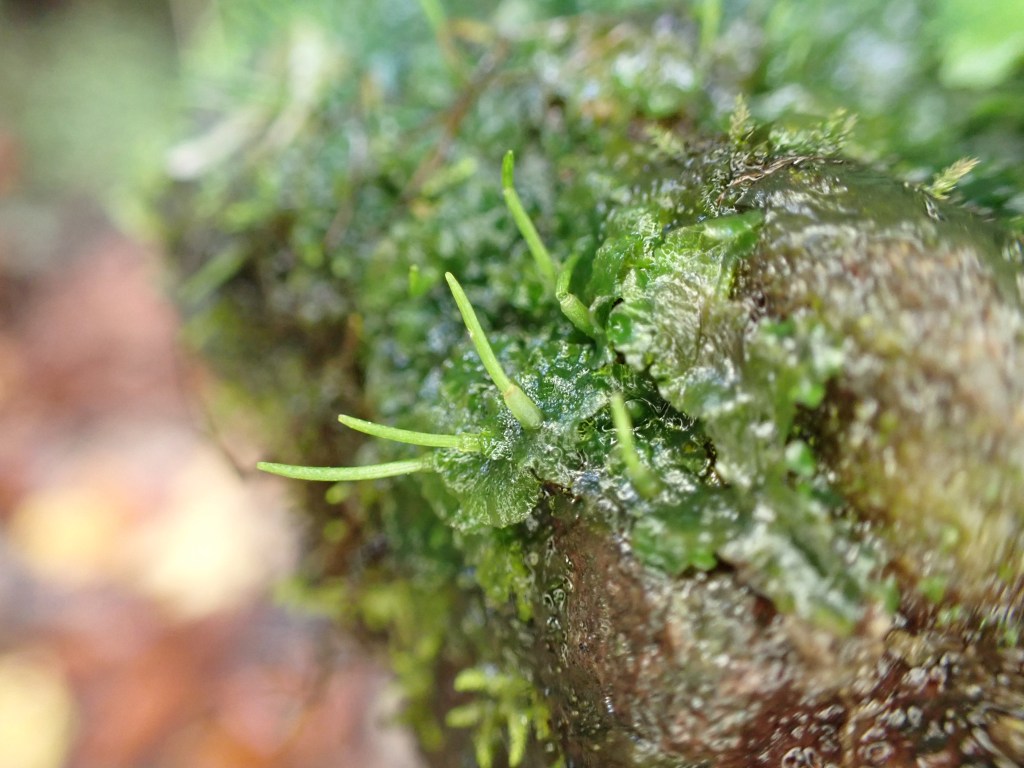
Major differences between the three divisions
| Feature | Moss | Liverwort | Hornwort |
| Gametophyte | Leafy | Leafy or Thalloid | Thalloid |
| Leaves | Spiral or 2-ranked | 2-ranked, +/- underleaves | None |
| Gemmae | Common | Common | None |
| Special organelles | +/- small oil bodies | Oil bodies | Single plastids |
| Rhizoids | Multicellular | One celled | One celled |
| Chloroplasts | Multiple | Multiple | Single |
| Species worldwide | ~12,000 | ~7,500 | ~200-300 |
| Species in Missouri | 329 | 120 | 4 |
Bryophytes were integral in producing the landscape and soil we have today. They help to build soil by very slowly breaking down the substrate they are on, and by adding organic material to the soil when they die. They absorb much of their nutrients from the air around them and continue to play an important role in carbon sequestering. They may also help fix nitrogen as some species develop associations with nitrogen fixing cyanobacteria.
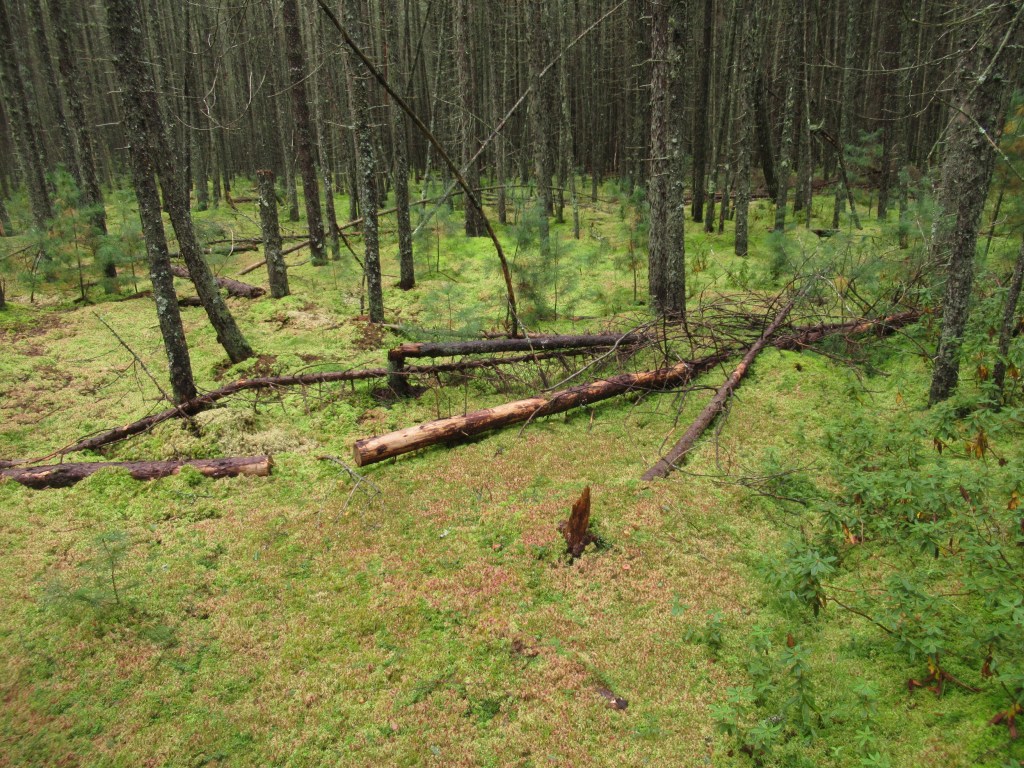
Sphagnum species are the dominant moss species in bogs, and they are the major moss player in carbon sequestering accounting for roughly 30-50%.
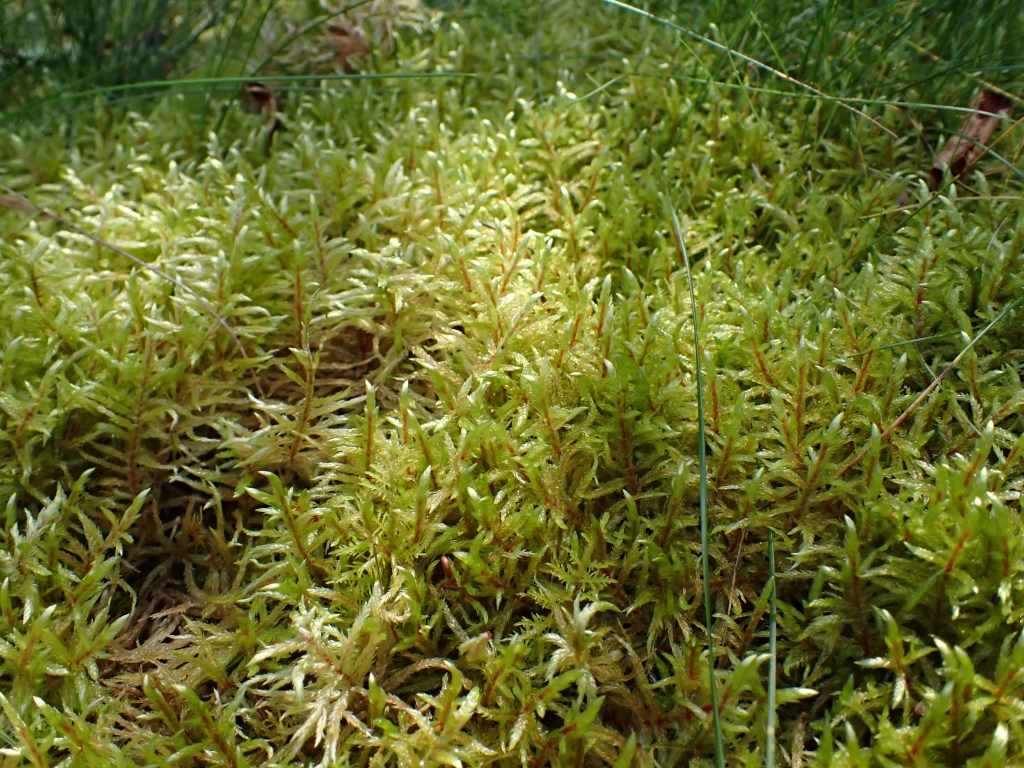
Moss species such as Pleurozium schreberi have a relationship with nitrogen fixing cyanobacteria. They can contribute up to 50% of the total nitrogen input into systems such as the northern boreal forests.
Bryophytes can live in moist and warm places such as the tropics, but they can also occupy some of the harshest of places such as deserts and the alpine tundra. They can live in fresh water, on soil, and on trees. Even man-made surfaces such as metal and asphalt can harbor bryophytes. Several species can tolerate a certain amount of salt and may be found around salt marshes, but they cannot survive living in the marine environment itself.
 Mosses of Missouri and Beyond