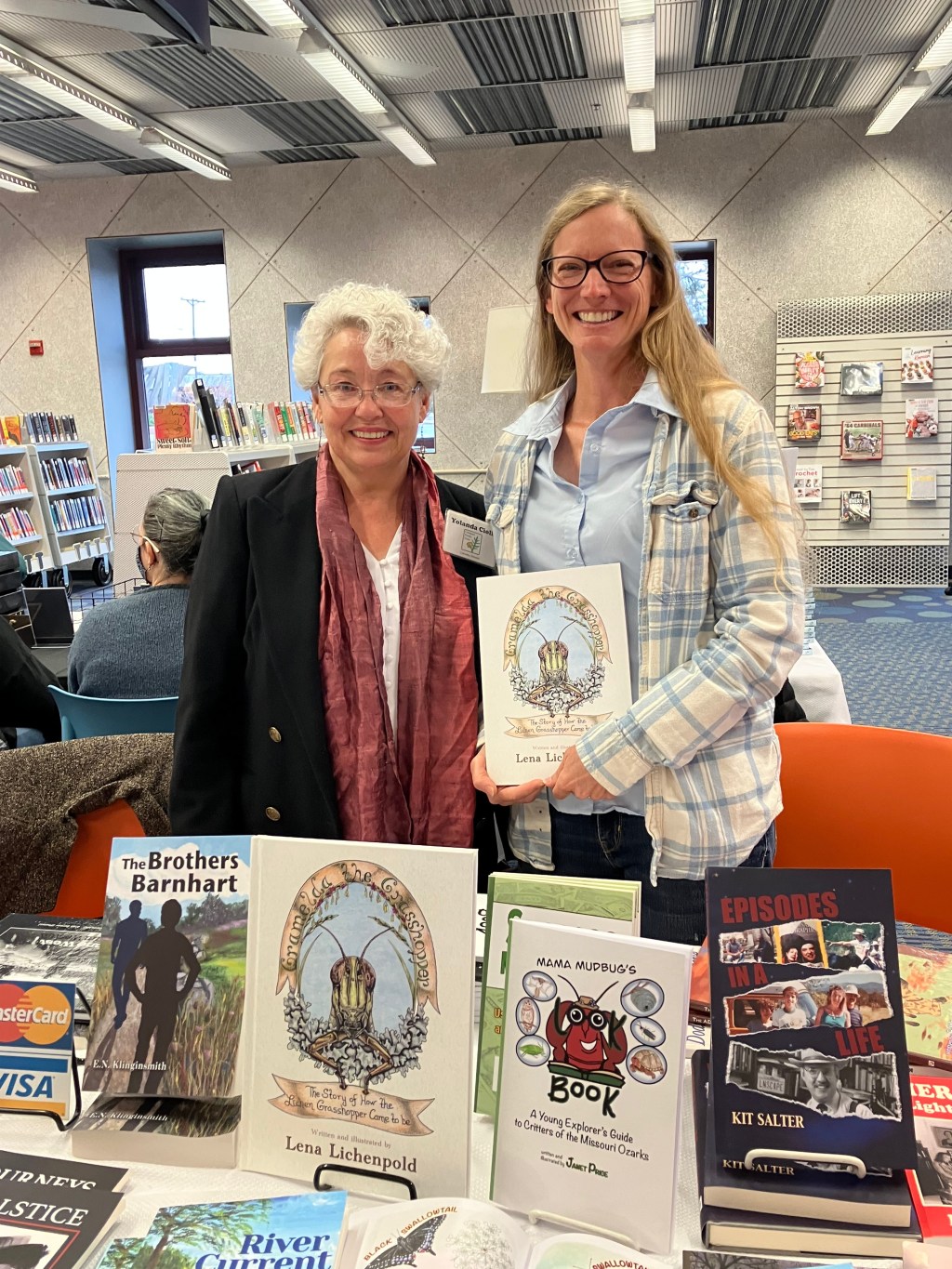
I have confused people more than once when I tell them that I am a self-published author, but that I have a publisher. So, what is the difference between being published vs. self-published?
Simply put, it’s the flow of money. If you are a published author, a publisher has paid you to write a book that they will publish. If you are self-published, you have paid a publisher to publish your book (unless you are savvy enough to do it all yourself). Let’s explore a little more deeply, the pros and cons between the two.
Published Author
Pros
- You are paid to write the book. Salary guaranteed!
- You are not responsible for promoting your book, they have that covered.
- You are not financially responsible for the risk involved with publishing your book.
Cons
- You may have limited control on layout, details, and personal preferences of your book. This of course, varies with the publisher.
- You may loose copyright of your photographs and drawings, and these details should be ironed out in the contract.
- You have to find a publisher that is willing to publish your book, and this is much easier said than done.
- You are usually not allowed to sell your book and are left to collecting only royalties.
Self-Published Author
Pros
- You don’t have to struggle to find a publisher, you hire one.
- You have complete control over how much you want in your book and its design and layout.
- You own the complete copyright to your book and everything in it.
Cons
- You have to front the money to publish your book (unless you are capable of doing everything from start to finish).
- You are responsible for promoting and selling your book.
- You have to purchase an upfront number of your books (print on demand is a slightly different scenario). This is why presales may be common as it helps to determine the number of books to order, and it puts some money in the author’s hand when they go to pay for the books.
- You assume the financial risk, and will not see any return on your investment until you have sold enough books to cover the costs of your publisher and the books.
Knowing this now, why would anyone want to self-publish?
Self-published authors typically lose up to 75% of the profit of their book when giving a standard industry discount of 55% to secondhand parties to sell such as Amazon or books stores. Please buy directly from the author when you can.
In my case, finding a publisher to publish my children’s book was never going to happen. Many children’s book publishers were not taking any applications, or my book didn’t meet their criteria. The competition is intense to say the least. I just wanted my book to be out there, and I was fortunate to be in a situation where I could pay someone to publish it for me.
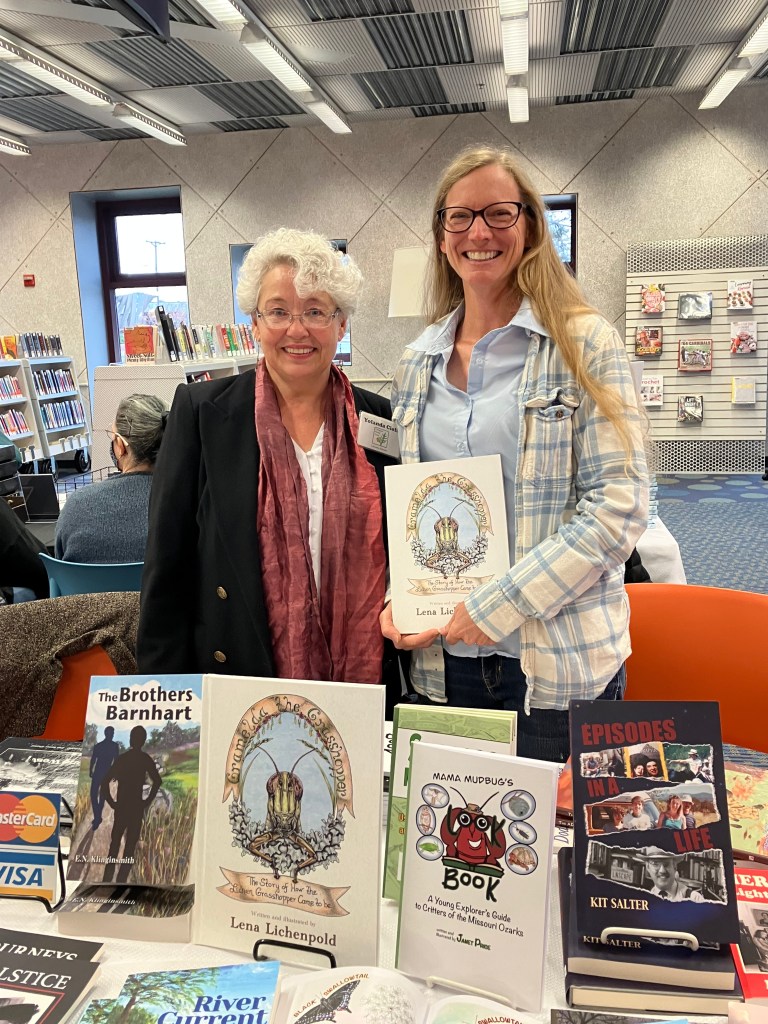
As for my moss book, well, it ends up that the publisher for my children’s book is a lifelong member of the Missouri Prairie Foundation, and a moss lover herself. In fact, her business name is Compass Flower Press. Since I already had developed a working relationship with her, and, I knew I was going to be extremely particular about the design and layout of my moss book, it only made sense to self-publish this one too.
Self-publishing companies are often à la carte. You can pick and choose what services you need done. In the case of my moss book, I did the entire interior design and layout, along with the book cover design. While I officially haven’t counted, I estimate there to be close to 1500 pictures and illustrations (if someone wants to count for me when you receive your book in July, let me know and I will update this post). I’m not sure that a publishing company would have been willing to work with that many photos and illustrations, and I’m sure that I could not have afforded to pay someone to do all of the layout required for so many. Completing that tedious but rewarding job was up to me.
My publisher did the final editing, put the book cover in the appropriate format, acquired the library of congress and ISBN numbers, along with copyright and barcodes. She also ensured my book format was in the proper format necessary for the print house and set up the account with them to get it going, ultimately transferring it over to me.
Support Authors
Since I have entered this world of self-publishing, it has opened my eyes, and I can’t give enough plugs for supporting the author by buying the book directly from them. Self-published authors typically lose up to 80% of the profit of their book when giving a standard industry discount of 55% to secondhand parties to sell such as Amazon or books stores. For a $50.00 book, that discount means the bookstore would only pay $22.50 for the book, profiting $27.50. The author already has $12.00 into just the physical cost of the book, therefore profits only $10.50. Please buy directly from the author when you can.
Gramelda the Grasshopper is a print on demand book, meaning the books are printed when they are ordered. The international print house that prints this book has contracts already with Amazon and Barnes & Noble. I profit roughly $4.00, and they profit $12.00, when the $30.00 book is sold through them. If you buy from me directly, I profit roughly $22.00.
My Moss book is printed as off-set printing. This offers higher quality printing of photos, and a greater selection of papers. It also means that I have to order in bulk. Sales of the book are handled through me, and I can control the discount offered and thus, the amount of profit both secondhand parties and I make. I’m aiming for 50/50. At this point, I have decided to work only with organizations that support our natural resources. I will keep my book page updated of the other locations you may find my book for sale as they occur.
If you have a story you want to share, or important knowledge that needs to be written down, but are having a difficult time finding a publisher willing to publish your work, consider going the self-published route.

 Mosses of Missouri and Beyond
Leave a comment